How to Choose the Best Neurologist in Mathura
Introduction
Finding the right neurologist is an important step if you or a loved one is experiencing problems related to the brain, spine, or nerves. Conditions like frequent headaches, dizziness, epilepsy, stroke, memory loss, numbness, and Parkinson’s disease require expert medical care. Choosing the right specialist can improve diagnosis, treatment, and long-term recovery. If you are searching for How to Choose the Best Neurologist in Mathura, this guide will help you understand what to look for, when to seek medical advice, and how to make an informed decision for your neurological health.
What is How to Choose the Best Neurologist in Mathura?
Many people search for How to Choose the Best Neurologist in Mathura when they need expert care for disorders affecting the brain, spinal cord, muscles, or nerves. A neurologist is a doctor trained to diagnose and treat neurological conditions using advanced medical knowledge and modern diagnostic techniques.
When choosing a neurologist, consider factors such as:
- Medical qualifications and experience
- Expertise in treating neurological disorders
- Availability of advanced diagnostic facilities
- Patient reviews and reputation
- Clear communication and patient-friendly approach
- Convenient location and appointment availability
Selecting the right specialist ensures that you receive accurate diagnosis, proper treatment, and ongoing support throughout your recovery.
Symptoms That Need Neurological Evaluation
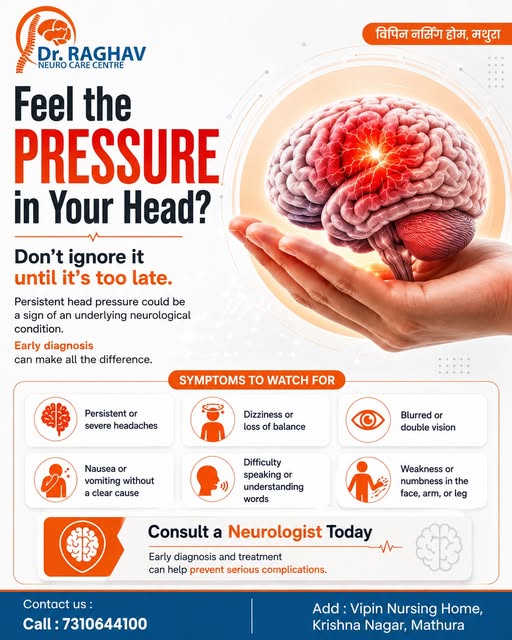
You should consider consulting a neurologist if you experience any of the following symptoms:
- Frequent or severe headaches
- Sudden dizziness or loss of balance
- Seizures or epilepsy
- Weakness in the arms or legs
- Tingling or numbness
- Memory problems or confusion
- Difficulty speaking
- Tremors or shaking hands
- Muscle weakness
- Chronic neck or back pain associated with nerve symptoms
- Vision changes related to neurological conditions
- Sudden facial weakness
These symptoms should never be ignored, especially if they occur repeatedly or suddenly.
Common Causes of Neurological Disorders
Neurological conditions may develop due to several reasons, including:
- Stroke
- Brain infections
- Head injuries
- Genetic disorders
- Diabetes-related nerve damage
- High blood pressure
- Brain tumors
- Multiple sclerosis
- Parkinson’s disease
- Alzheimer’s disease
- Vitamin deficiencies
- Autoimmune disorders
Identifying the underlying cause is essential for selecting the right treatment plan.
Diagnosis
An experienced neurologist performs a detailed evaluation before recommending treatment. Diagnosis may include:
- Complete medical history
- Physical and neurological examination
- MRI scan
- CT scan
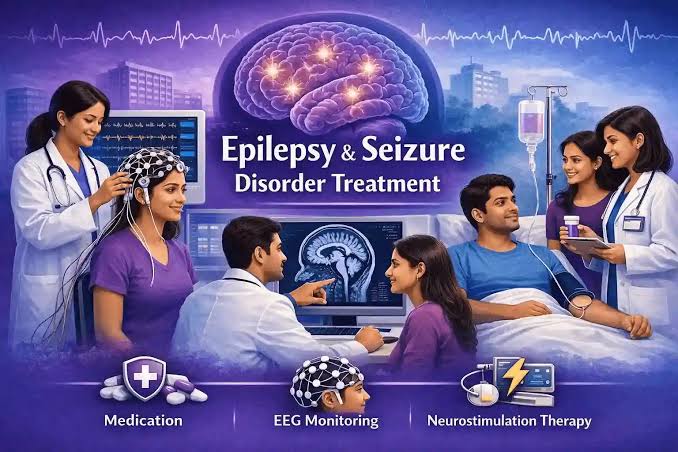
- EEG (Electroencephalogram)
- EMG and Nerve Conduction Studies
- Blood investigations
- Cognitive assessment for memory disorders
Accurate diagnosis helps identify the exact neurological condition and prevents unnecessary treatments.
Treatment Options
Treatment depends on the specific neurological disorder and its severity. Common treatment options include:
Medications
Medicines help control symptoms such as seizures, migraines, Parkinson’s disease, nerve pain, and muscle disorders.
Lifestyle Modifications
Healthy eating, regular exercise, stress management, adequate sleep, and avoiding smoking or alcohol can improve neurological health.
Physiotherapy and Rehabilitation
Patients recovering from stroke or nerve injuries often benefit from physiotherapy and rehabilitation programs.
Surgical Referral
Some neurological conditions may require neurosurgical evaluation when medication alone is insufficient.
Long-Term Monitoring
Many neurological disorders require regular follow-up visits to monitor progress and adjust medications when necessary.
At Dr. Raghav Neurocare, treatment plans are personalized according to each patient’s condition, age, and overall health.
When Should You Consult a Neurologist?
Do not delay medical attention if you notice:
- Persistent headaches that do not improve
- Sudden weakness or paralysis
- Difficulty walking
- Loss of consciousness
- Recurrent seizures
- Memory decline affecting daily life
- Continuous numbness or tingling
- Speech difficulties
- Sudden vision problems
- Severe dizziness or imbalance
Early consultation often leads to faster diagnosis and better treatment outcomes.
Conclusion
Choosing the right neurologist is an important decision that can significantly impact your health and quality of life. Look for experience, patient-centered care, accurate diagnosis, and comprehensive treatment when selecting a specialist. If you are searching for How to Choose the Best Neurologist in Mathura, always choose a qualified neurologist who takes time to understand your symptoms and provides evidence-based treatment. Timely diagnosis and proper medical care can help manage neurological disorders effectively and improve long-term well-being.
Book an Appointment at Dr. Raghav Neurocare, Mathura
If you or a family member is experiencing symptoms related to the brain, nerves, or spine, don’t wait for the condition to worsen. Dr. Raghav Neurocare provides comprehensive neurological evaluation, accurate diagnosis, and personalized treatment for patients in Mathura. Schedule your appointment today and take the first step toward better neurological health.
Frequently Asked Questions (FAQs)
1. How do I choose the best neurologist in Mathura?
Look for qualifications, experience, patient reviews, advanced diagnostic facilities, and a neurologist who communicates clearly and provides personalized care.
2. What diseases does a neurologist treat?
Neurologists treat stroke, epilepsy, migraine, Parkinson’s disease, Alzheimer’s disease, nerve disorders, multiple sclerosis, neuropathy, and other brain and spinal cord conditions.
3. When should I visit a neurologist?
You should visit a neurologist if you have severe headaches, seizures, dizziness, memory loss, numbness, muscle weakness, tremors, or balance problems.
4. What tests may a neurologist recommend?
Common investigations include MRI, CT scan, EEG, EMG, nerve conduction studies, blood tests, and neurological examinations.
5. Is early neurological treatment important?
Yes. Early diagnosis and treatment can prevent complications, improve recovery, and enhance quality of life for many neurological disorders.