When Should Memory Loss Be Checked?
Introduction
Forgetting a name, misplacing your keys, or walking into a room and forgetting why you went there can happen to anyone. Occasional forgetfulness is often a normal part of everyday life. However, memory problems that are frequent, worsening, or affecting daily activities should not be ignored. When should memory loss be checked? The answer depends on how often it happens, how severe it is, and whether it interferes with work, relationships, safety, or independent living. Early medical evaluation can help identify the cause and guide appropriate treatment when needed.
What is When Should Memory Loss Be Checked?
Memory loss means having difficulty remembering information that you could previously recall. It can involve recent conversations, appointments, names, familiar places, or important tasks.
Mild forgetfulness does not always indicate a serious neurological condition. Stress, poor sleep, anxiety, certain medicines, vitamin deficiencies, and other health problems can affect memory. However, persistent or progressive memory changes deserve professional evaluation.
Knowing when memory loss should be checked is particularly important when changes are noticed by family members or begin to interfere with normal daily activities.
Symptoms
Memory problems that may need medical attention include:
- Frequently forgetting recently learned information
- Asking the same questions repeatedly
- Missing appointments or important commitments
- Difficulty following familiar recipes or instructions
- Getting confused about dates, places, or familiar surroundings
- Struggling to manage money, medicines, or household responsibilities
- Difficulty finding common words during conversations
- Frequently losing important items and being unable to retrace your steps
- Noticeable changes in judgment, mood, or behaviour
A gradual increase in these problems is more concerning than an occasional lapse in memory.
Causes
Memory loss can have many possible causes. Age-related changes may cause mild forgetfulness, but significant memory problems can also be associated with medical or neurological conditions.
Possible causes include Alzheimer’s disease and other forms of dementia, stroke, head injury, epilepsy, Parkinson’s disease and certain other neurological disorders.
Memory can also be affected by depression, prolonged stress, sleep problems, thyroid disorders, vitamin B12 deficiency, infections, alcohol use, and some medications. Because the causes are varied, self-diagnosis is not recommended.
Diagnosis
A doctor usually begins with a detailed medical history. You may be asked when the memory problems started, whether they are getting worse, what medications you take, and whether there have been changes in sleep, mood, behaviour, or daily functioning.
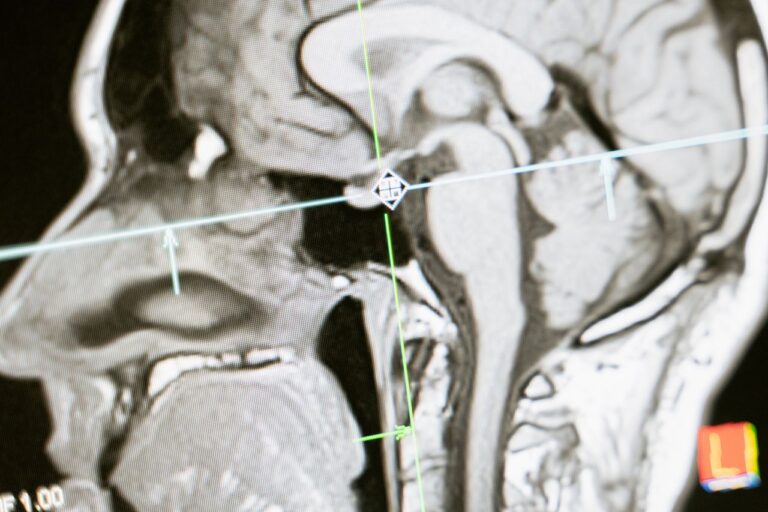
A neurological examination and memory or cognitive tests may be used to understand the type and severity of the problem. Depending on the symptoms, the doctor may recommend blood tests or brain imaging such as MRI or CT scans.
It is helpful to bring a family member or someone who knows the patient well to the appointment. They may notice changes that the patient has not recognized.
Treatment Options
Treatment depends on the underlying cause. If memory problems are linked to a vitamin deficiency, thyroid problem, medication, sleep disorder, or another treatable condition, addressing that problem may improve symptoms.
For certain neurological conditions, medicines may be recommended to manage symptoms or slow progression where appropriate. Doctors may also suggest cognitive activities, regular physical activity, adequate sleep, a balanced diet, and management of conditions such as diabetes or high blood pressure.
Treatment should always be personalized according to the patient’s health, symptoms, diagnosis, and individual needs.
When Should You Consult a Neurologist?
You should consider consulting a neurologist if memory problems are persistent, progressively worsening, or interfering with everyday life.
A neurological evaluation is especially important if memory changes occur along with confusion, difficulty speaking, weakness, balance problems, seizures, personality changes, or significant difficulty performing familiar activities.
Sudden memory loss or sudden confusion requires urgent medical attention, particularly when accompanied by weakness, facial drooping, speech difficulty, severe headache, or other sudden neurological symptoms, as these may indicate a medical emergency such as stroke.
For patients in Mathura, Dr. Raghav Neurocare provides neurological evaluation and care for patients experiencing memory and other brain-related concerns.
Conclusion
Occasional forgetfulness is common, but memory loss that is frequent, worsening, or affecting everyday life should be evaluated. There is no single answer to when memory loss should be checked, because the appropriate time depends on the person’s symptoms, age, medical history, and changes in daily functioning.
Early evaluation can help identify potentially treatable causes and provide a clearer understanding of what is happening. If you or a family member has noticed persistent changes in memory, speaking with a qualified healthcare professional is a sensible next step.
Call to Action
Book an Appointment at Dr. Raghav Neurocare, Mathura for a professional evaluation of persistent memory problems and other neurological concerns.
Frequently Asked Questions
1. Is occasional forgetfulness normal?
Yes. Occasionally forgetting a name, appointment, or where you placed an item can happen at any age. Frequent or worsening forgetfulness that affects daily life should be evaluated.
2. Can stress cause memory problems?
Yes. Stress, anxiety, poor sleep, and emotional difficulties can affect concentration and memory. If symptoms continue despite improving these factors, consult a healthcare professional.
3. Does memory loss always mean dementia?
No. Memory problems can have many causes, including medication effects, vitamin deficiencies, sleep disorders, depression, thyroid problems, and neurological conditions. Proper evaluation is needed to identify the cause.
4. Which doctor should I see for memory loss?
A neurologist can evaluate memory problems, particularly when symptoms are persistent, progressive, or accompanied by other neurological changes.
5. When is memory loss an emergency?
Sudden memory loss or confusion, especially with weakness, facial drooping, speech difficulty, severe headache, vision changes, or loss of balance, requires urgent medical assessment.