
Why Do I Feel Dizzy Frequently? Causes, Symptoms & Treatment
Introduction
Have you ever wondered, “Why do I feel dizzy frequently?” Do you experience a spinning sensation, feel lightheaded when standing up, or struggle to maintain your balance? Frequent dizziness can be uncomfortable and may affect your daily activities, concentration, and confidence. Although dizziness is often caused by manageable conditions such as dehydration, blood pressure changes, or inner ear problems, it can sometimes be linked to neurological or other medical conditions. Understanding the possible causes and knowing when to seek medical attention can help you receive appropriate care. This guide explains frequent dizziness, its symptoms, diagnosis, and treatment options.
What Is “Why Do I Feel Dizzy Frequently?”
Frequent dizziness means experiencing episodes of lightheadedness, unsteadiness, or a spinning sensation repeatedly. Dizziness and vertigo are related but not identical. Lightheadedness may feel like you are about to faint, while vertigo creates the sensation that you or your surroundings are moving or spinning.
Dizziness can happen briefly or continue for longer periods. The timing, duration, and triggers of each episode help a healthcare professional understand its possible cause. Repeated dizziness should not automatically be assumed to be a brain disorder, but it deserves medical evaluation when it persists, returns frequently, or affects daily life
Symptoms of Frequent Dizziness
Dizziness may appear differently from person to person. Common symptoms include:
-
Feeling lightheaded or faint.
-
A spinning sensation, also known as vertigo.
-
Loss of balance or difficulty walking steadily.
-
Nausea or vomiting.
-
Feeling weak, woozy, or unsteady.
-
Symptoms that worsen when turning the head or standing up.
Some people may also experience ringing in the ears, hearing changes, headaches, or other symptoms depending on the underlying cause.
Common Causes of Frequent Dizziness
Several conditions can cause recurring dizziness. Some common possibilities include:
1. Low blood pressure and dehydration: A sudden fall in blood pressure, especially after standing up, can cause lightheadedness. Not drinking enough fluids may also contribute.
2. Inner ear problems: The inner ear plays an important role in maintaining balance. Benign paroxysmal positional vertigo (BPPV), for example, can cause short episodes of spinning when you move your head in certain ways.
3. Migraine: Vestibular migraine can cause dizziness or vertigo, sometimes even without a typical headache.
4. Medication side effects: Certain medicines, including some blood pressure medications and sedatives, may contribute to dizziness.
5. Neurological or other medical conditions: Some nervous system disorders, heart-related conditions, blood sugar problems, and anemia can cause dizziness. The specific cause cannot be determined from symptoms alone.
Diagnosis of Frequent Dizziness
A proper diagnosis begins with a detailed discussion of your symptoms. Your doctor may ask:
-
When did the dizziness start?
-
How long does each episode last?
-
Does it happen when you stand, walk, or move your head?
-
Do you experience headaches, hearing changes, weakness, or nausea?
-
Are you taking any medicines?
A physical examination may include blood pressure measurements, neurological assessment, balance testing, and eye movement evaluation. Depending on the findings, your doctor may recommend blood tests, hearing or vestibular tests, or brain imaging such as an MRI. Not every patient needs every test; investigations should be guided by the suspected cause.
Treatment Options for Frequent Dizziness
Treatment depends on the underlying cause and the patient’s symptoms. There is no single treatment that works for every type of dizziness.
Possible treatment approaches include:
-
Lifestyle adjustments: Adequate hydration, careful position changes, and avoiding activities that increase fall risk.
-
Medication review: Your doctor may assess whether a medicine is contributing to symptoms and recommend appropriate changes.
-
Treatment for vertigo: Certain patients with BPPV may benefit from canalith repositioning procedures, such as the Epley maneuver, when clinically appropriate.
-
Vestibular rehabilitation: Specialised balance exercises may help selected patients with vestibular disorders.
-
Treatment of underlying conditions: If dizziness is related to migraine, blood pressure problems, or another medical condition, treatment will focus on the identified cause.
Avoid self-medicating with dizziness medicines without medical guidance, particularly if episodes are frequent or unexplained.
When Should You Consult a Neurologist?
You should arrange a medical consultation if dizziness keeps returning, has no clear cause, lasts for a long time, or interferes with everyday activities. A neurologist may be helpful when dizziness is associated with neurological symptoms or when the cause remains unclear after an initial evaluation.
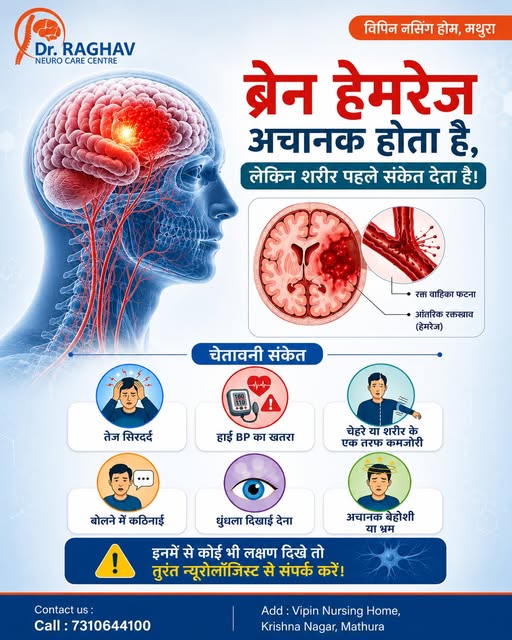
Seek emergency medical care immediately if dizziness or vertigo occurs with sudden weakness or numbness, difficulty speaking, double vision, severe sudden headache, difficulty walking, fainting, or other concerning symptoms. These may indicate a serious medical problem, including stroke, and should not be ignored.
Conclusion
If you frequently ask yourself, “Why do I feel dizzy frequently?”, it is important to understand that dizziness can have many possible causes. From dehydration and inner ear problems to migraine and neurological conditions, identifying the underlying reason is the first step toward appropriate treatment.
Do not ignore recurring dizziness, especially when it affects your balance or daily routine. A timely medical evaluation can help identify potential causes and guide the next steps in care.
Call to Action
Get Expert Neurological Care in Mathura
Experiencing frequent dizziness, balance problems, or unexplained vertigo? Book an appointment at Dr. Raghav Neurocare, Mathura, for a professional evaluation of your symptoms.
Get the right guidance and discuss your concerns with a qualified healthcare professional. Early assessment can help determine whether further neurological or other medical evaluation is needed.
Frequently Asked Questions (FAQs)
1. Why do I feel dizzy frequently but have no headache?
Frequent dizziness without a headache can have several causes, including dehydration, blood pressure changes, inner ear disorders, medication effects, and other medical conditions. A headache is not necessary for dizziness to occur. If the symptom keeps returning, consult a healthcare professional for evaluation.
2. Can frequent dizziness be a sign of a neurological problem?
Yes, some neurological conditions can contribute to dizziness or balance difficulties. However, frequent dizziness does not automatically mean you have a neurological disorder. A clinical examination helps determine whether the nervous system or another part of the balance system may be involved.
3. Is frequent dizziness caused by low blood pressure?
Low blood pressure, particularly a sudden drop when standing, can cause lightheadedness. Dehydration and certain medicines may also contribute. If you regularly experience dizziness when getting up, discuss it with your doctor rather than assuming the cause.
4. When should I worry about frequent dizziness?
You should seek medical evaluation when dizziness repeatedly occurs, lasts a long time, or affects your daily activities. Seek emergency care for sudden severe dizziness accompanied by symptoms such as weakness, difficulty speaking, double vision, or difficulty walking.
5. Can frequent dizziness be treated?
Yes, treatment is possible for many causes of dizziness, but the approach depends on the diagnosis. Treatment may include specific repositioning exercises for appropriate cases of BPPV, vestibular rehabilitation, medication adjustments, or management of an underlying condition. A healthcare professional can recommend the appropriate approach.