What Does a Neurologist Treat?
Introduction
The brain, spinal cord, and nerves control almost every function of the human body. When these parts are affected, they can lead to symptoms such as headaches, weakness, numbness, seizures, or memory problems. Many people wonder, What Does a Neurologist Treat? A neurologist is a doctor who specializes in diagnosing and treating disorders of the nervous system. Seeking medical attention early can help prevent complications and improve recovery. At Dr. Raghav Neurocare, patients receive expert neurological care with a focus on accurate diagnosis and personalized treatment.
What Does a Neurologist Treat?
A neurologist diagnoses and treats conditions affecting the brain, spinal cord, nerves, and muscles. These disorders may be temporary, chronic, or progressive and can affect people of all ages.
Some of the most common neurological conditions include:
- Migraine and chronic headaches
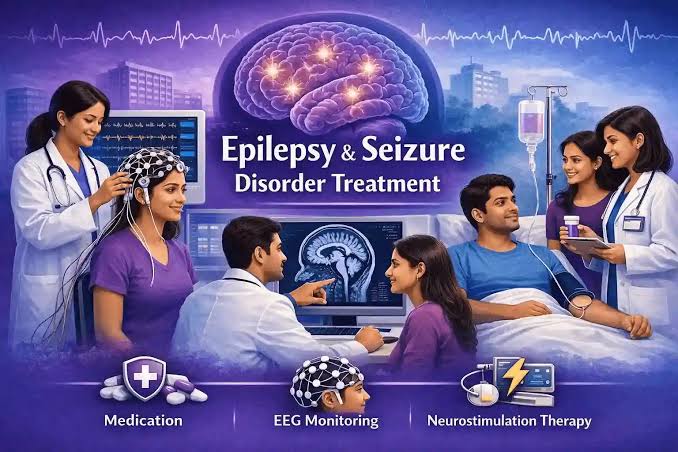
- Epilepsy and seizures
- Stroke and stroke recovery
- Parkinson’s disease
- Alzheimer’s disease and dementia
- Multiple sclerosis
- Peripheral neuropathy
- Vertigo and balance disorders
- Tremors and movement disorders
- Brain infections
- Nerve compression disorders
- Muscle weakness related to neurological conditions
- Sleep disorders with neurological causes
A neurologist also helps manage long-term neurological diseases through medication, lifestyle guidance, and regular follow-up care.
Symptoms
You should not ignore symptoms that may indicate a neurological disorder. Common warning signs include:
- Frequent or severe headaches
- Sudden weakness in the face, arms, or legs
- Numbness or tingling sensations
- Loss of balance or coordination
- Dizziness or vertigo
- Memory loss or confusion
- Seizures or fainting episodes
- Difficulty speaking or understanding speech
- Vision changes
- Tremors or uncontrolled movements
- Muscle weakness
- Persistent neck or back pain with nerve symptoms
If these symptoms continue or worsen, medical evaluation is recommended.
Causes
Neurological disorders can develop due to several factors, including:
- Aging
- High blood pressure
- Diabetes
- Brain or spinal injuries
- Infections affecting the nervous system
- Genetic conditions
- Autoimmune diseases
- Poor blood circulation to the brain
- Vitamin deficiencies
- Smoking and excessive alcohol consumption
- Brain tumors
- Lifestyle-related health conditions
Identifying the underlying cause is important for choosing the right treatment and preventing complications.
Diagnosis
A neurologist performs a detailed evaluation before confirming a diagnosis. This may include:
- Medical history review
- Physical and neurological examination
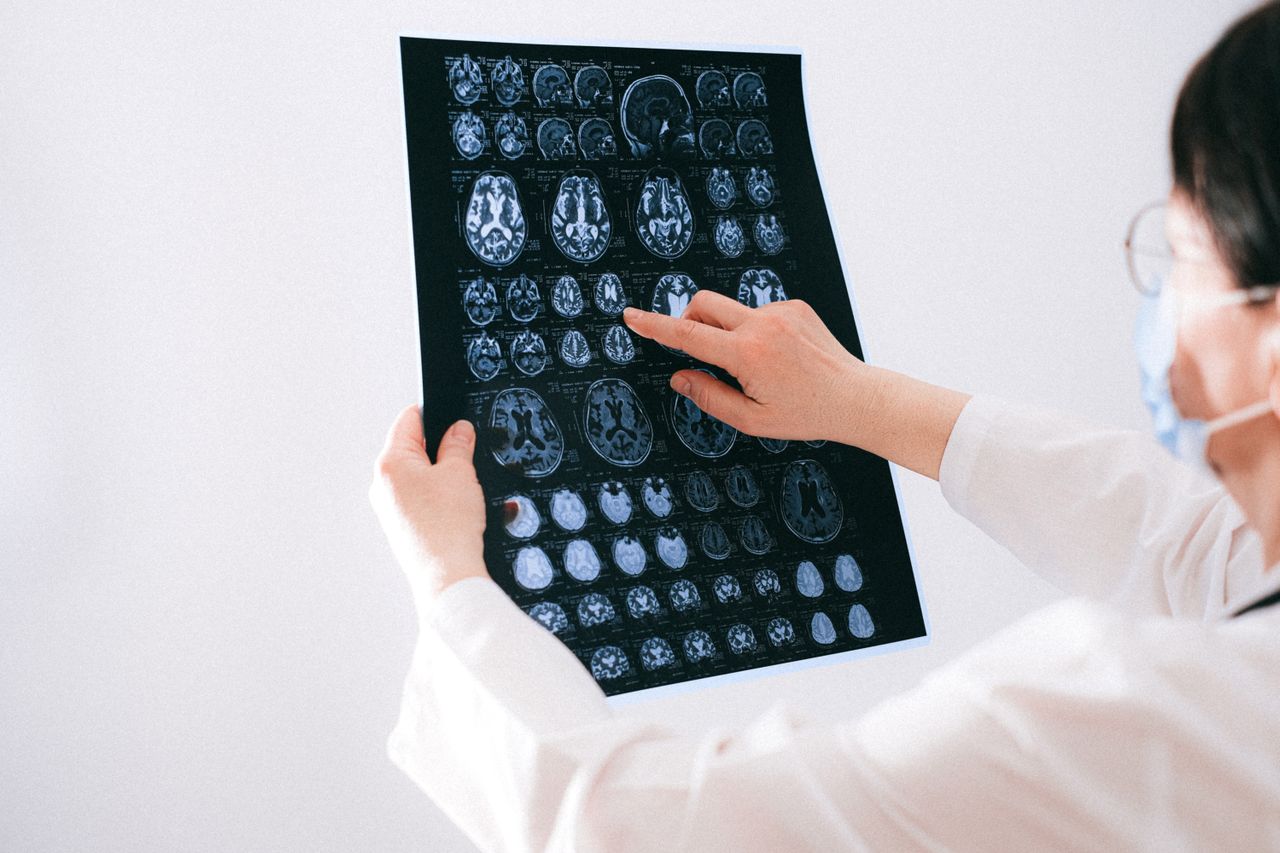
- MRI scan
- CT scan
- EEG (Electroencephalogram)
- EMG and nerve conduction studies
- Blood tests
- Lumbar puncture when necessary
- Cognitive and memory assessments
These investigations help identify the exact neurological condition and guide appropriate treatment.
Treatment Options
Treatment depends on the type and severity of the neurological disorder. Common treatment options include:
- Medications to control symptoms
- Stroke management and rehabilitation
- Migraine treatment plans
- Anti-epileptic medicines
- Physical therapy
- Occupational therapy
- Speech therapy
- Lifestyle modifications
- Management of diabetes and blood pressure
- Regular neurological monitoring
At Dr. Raghav Neurocare, treatment plans are personalized according to each patient’s condition, age, and overall health. Early treatment often improves outcomes and helps patients maintain a better quality of life.
When Should You Consult a Neurologist?
You should consult a neurologist if you experience:
- Headaches that are frequent or severe
- Sudden weakness or numbness
- Difficulty walking or maintaining balance
- Repeated seizures
- Memory problems affecting daily life
- Persistent dizziness
- Tremors or involuntary movements
- Chronic nerve pain
- Difficulty speaking or swallowing
- Symptoms after a stroke or head injury
Ignoring neurological symptoms can delay treatment and increase the risk of complications. Early consultation allows timely diagnosis and effective management.
Conclusion
Understanding What Does a Neurologist Treat? helps patients recognize when specialist care is needed. Neurologists diagnose and manage a wide range of disorders involving the brain, spinal cord, and nerves, including migraines, epilepsy, stroke, Parkinson’s disease, neuropathy, and memory disorders. Early diagnosis and appropriate treatment can significantly improve recovery and quality of life. If you notice ongoing neurological symptoms, do not delay seeking professional medical advice.
Call-to-Action
If you are experiencing headaches, seizures, numbness, dizziness, memory problems, or any other neurological symptoms, book an appointment at Dr. Raghav Neurocare, Mathura. The clinic provides expert diagnosis, personalized treatment, and compassionate neurological care to help you achieve better brain and nerve health.
Frequently Asked Questions (FAQs)
1. What does a neurologist treat?
A neurologist treats disorders affecting the brain, spinal cord, nerves, and muscles, including migraines, epilepsy, stroke, Parkinson’s disease, and neuropathy.
2. When should I visit a neurologist?
You should visit a neurologist if you have persistent headaches, seizures, numbness, weakness, dizziness, memory loss, or balance problems.
3. Can a neurologist treat migraines?
Yes. Neurologists diagnose the cause of migraines and provide medications and preventive treatment to reduce their frequency and severity.
4. What tests does a neurologist perform?
Common tests include MRI, CT scan, EEG, EMG, nerve conduction studies, blood tests, and neurological examinations.
5. Is every headache a neurological problem?
No. However, severe, persistent, or unusual headaches should be evaluated by a neurologist to rule out serious neurological conditions.