
Brain Specialist vs Neurologist: What’s the Difference?
Introduction
When people experience frequent headaches, dizziness, seizures, memory problems, numbness, or weakness, they may wonder which specialist they should visit. The question “Brain Specialist vs Neurologist: What’s the Difference?” is common because these terms are often used interchangeably. A neurologist is a doctor specially trained to diagnose, treat, and manage disorders affecting the brain, spinal cord, nerves, and related muscles. Understanding this difference can help patients choose appropriate care and avoid unnecessary delays in diagnosis. For people in Mathura, knowing when neurological symptoms need specialist attention can support better brain and nerve health.
What is Brain Specialist vs Neurologist: What’s the Difference?
“Brain specialist” is a general term that people may use for doctors who manage brain-related conditions. Neurologist, however, is a specific medical specialty. Neurologists evaluate and manage disorders of the nervous system, including conditions such as migraine, epilepsy, stroke, Parkinson’s disease, Alzheimer’s disease, nerve disorders, and traumatic brain injuries.
A neurologist generally provides non-surgical treatment. If a patient has a condition that may require brain or spinal surgery, a neurosurgeon may become involved. The two specialists can work together when a patient’s condition requires both medical and surgical expertise.
Therefore, when considering Brain Specialist vs Neurologist: What’s the Difference?, the key point is that “brain specialist” is a broad description, while a neurologist is a specifically trained medical specialist.
Symptoms
Neurological problems can cause many different symptoms. Some common signs that may require medical evaluation include:
- Frequent or severe headaches or migraine
- Dizziness or balance problems
- Numbness or tingling
- Weakness in the arms or legs
- Tremors or unusual movements
- Memory or concentration problems
- Seizures or unexplained episodes of loss of awareness
- Difficulty speaking or understanding speech
- Changes in vision
- Problems with coordination
- Persistent nerve pain
Having one of these symptoms does not automatically mean you have a neurological disease. However, symptoms that are persistent, recurring, worsening, or interfering with daily life should be discussed with a qualified doctor.
Causes
Neurological symptoms can have many possible causes. They may be related to blood vessel problems, infections, injuries, genetic factors, ageing, metabolic conditions, immune-system disorders, or other health problems.
For example, migraine can cause severe headaches and neurological symptoms, while epilepsy can result in recurrent seizures. Diabetes may contribute to peripheral nerve damage, while stroke occurs when blood flow to part of the brain is interrupted or when a blood vessel bleeds.
Because several different conditions can produce similar symptoms, identifying the underlying cause requires proper medical assessment rather than self-diagnosis.
Diagnosis
A neurologist usually begins with a detailed discussion about symptoms, medical history, medications, family history, and lifestyle factors. A neurological examination may assess muscle strength, reflexes, sensation, coordination, balance, memory, and other functions.
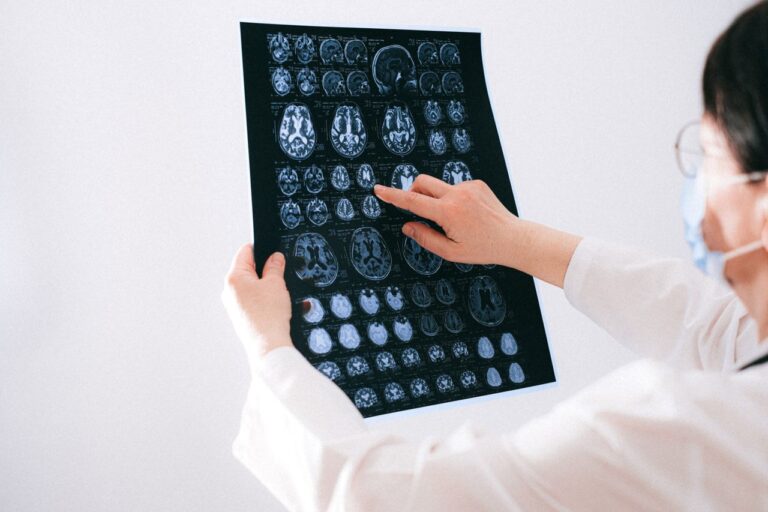
Depending on the symptoms, the doctor may recommend investigations such as blood tests, MRI or CT scans, EEG, nerve conduction studies, or electromyography. Not every patient needs every test. The choice depends on the symptoms and the suspected condition.
A careful clinical history and examination remain important because test results need to be interpreted alongside the patient’s overall health and symptoms.
Treatment Options
Treatment depends on the specific neurological condition, its cause, severity, and the patient’s individual needs. Depending on the diagnosis, treatment may include prescription medicines, lifestyle changes, rehabilitation, physical therapy, occupational therapy, or other supportive care.
For example, migraine management may include preventive or symptom-relief medicines and identifying triggers. Epilepsy may require anti-seizure medication and regular follow-up. People with Parkinson’s disease may need ongoing treatment to manage movement and other symptoms.
Neurological conditions often require long-term monitoring. Patients should take prescribed medicines as directed and should not stop or change treatment without medical advice.
At Dr. Raghav Neurocare, patients in Mathura can seek specialist evaluation for a range of brain, nerve, and neurological concerns.
When Should You Consult a Neurologist?
You should consider consulting a neurologist when headaches, seizures, tremors, numbness, weakness, memory problems, balance difficulties, or other neurological symptoms are persistent or repeatedly affecting your daily life.
Some symptoms require emergency medical attention rather than a routine neurological appointment. Sudden facial drooping, weakness or numbness on one side of the body, difficulty speaking, sudden vision loss, or a sudden severe headache can be warning signs of a stroke or another serious condition. Emergency care should be sought immediately.
Even if stroke-like symptoms disappear after a short time, urgent medical assessment is important because a transient ischaemic attack (TIA) can be a warning sign of a future stroke.
Conclusion
Understanding Brain Specialist vs Neurologist: What’s the Difference? can help patients make more informed healthcare decisions. While “brain specialist” is a broad term, a neurologist has specialised training in diagnosing and managing disorders of the brain and nervous system. Persistent or unexplained neurological symptoms should not be ignored. A timely professional evaluation can help identify the possible cause and guide appropriate treatment and follow-up.
Call to Action
Book an Appointment at Dr. Raghav Neurocare, Mathura if you are experiencing persistent headaches, migraine, seizures, memory problems, numbness, tremors, balance difficulties, or other neurological symptoms. Professional evaluation can help you understand your symptoms and choose the right next step.
Frequently Asked Questions
1. Is a brain specialist the same as a neurologist?
“Brain specialist” is a general term. A neurologist is a medical specialist specifically trained to diagnose and manage disorders of the brain and nervous system.
2. What conditions does a neurologist treat?
Neurologists manage conditions such as migraine, epilepsy, stroke, Parkinson’s disease, Alzheimer’s disease, nerve disorders, and other neurological conditions.
3. Does a neurologist perform brain surgery?
Generally, neurologists provide medical, non-surgical treatment. Neurosurgeons are specialists trained to perform surgery involving the brain, spine, and nervous system.
4. When should I see a neurologist for headaches?
Consider a consultation when headaches are frequent, severe, recurring, unusual, worsening, or interfering with normal activities, particularly when other neurological symptoms occur.
5. Can neurological conditions be treated?
Many neurological conditions can be managed with appropriate treatment. The treatment and outlook depend on the specific condition, its cause, severity, and individual health factors.