
Migraine: Causes, Symptoms & Treatment
Introduction
Migraine is more than just a common headache. It is a neurological condition that can cause severe, recurring head pain along with nausea, vomiting, and sensitivity to light or sound. For some people, migraine attacks can interfere with work, sleep, family life, and daily activities. Understanding migraine: causes, symptoms & treatment can help patients recognize warning signs and seek appropriate medical care. With proper diagnosis, lifestyle changes, and suitable treatment, many people can reduce the frequency and severity of migraine attacks.
What is Migraine: Causes, Symptoms & Treatment?
A migraine is a neurological disorder that usually causes moderate to severe headache, often affecting one side of the head. The pain may feel throbbing or pulsating and can last for several hours or even a few days.
Migraine attacks can occur with or without an aura. An aura may cause temporary visual changes, such as flashing lights or zigzag lines, or other symptoms such as tingling or difficulty speaking.
Migraine is different from an ordinary headache because it often involves additional symptoms and may become worse with routine physical activity.
Symptoms of Migraine
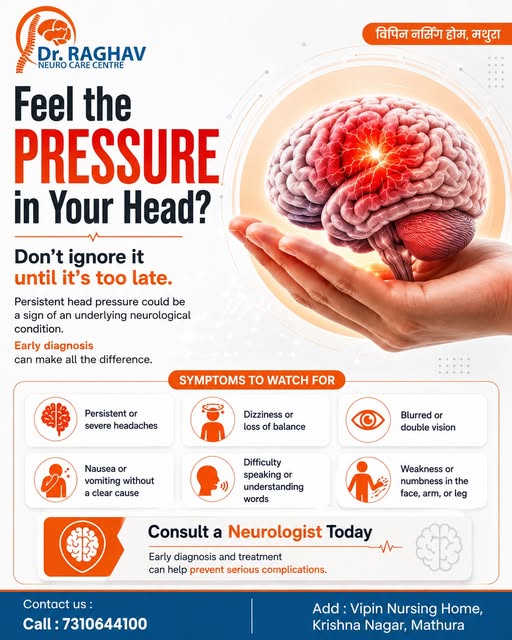
Migraine symptoms can vary from person to person. Common symptoms include:
- Throbbing or pulsating headache
- Pain on one or both sides of the head
- Nausea or vomiting
- Increased sensitivity to light, sound, or smells
- Blurred or disturbed vision
- Dizziness or weakness
- Difficulty concentrating
- Fatigue before or after an attack
Some people experience warning symptoms several hours or even a day before the headache. These may include tiredness, mood changes, food cravings, or difficulty concentrating.
Causes of Migraine
The exact cause of migraine is not fully understood. It is believed to involve changes in the brain and nervous system, along with genetic and environmental factors.
Several factors can trigger a migraine attack, including:
- Stress and anxiety
- Lack of sleep or changes in sleep routine
- Skipping meals
- Dehydration
- Bright or flashing lights
- Strong smells or excessive noise
- Hormonal changes
- Excessive caffeine or sudden caffeine withdrawal
- Certain foods in some individuals
- Weather or environmental changes
Keeping a headache diary can help identify personal triggers and patterns.
Diagnosis
There is no single laboratory test that confirms migraine. A neurologist usually diagnoses the condition by discussing the patient’s symptoms, medical history, headache pattern, duration, and possible triggers.
A neurological examination may also be performed. In some cases, the doctor may recommend imaging tests such as an MRI or CT scan when symptoms are unusual, severe, sudden, or suggest another neurological condition.
An accurate diagnosis is important because several other conditions can cause recurring headaches.
Treatment Options
Migraine treatment depends on how often attacks occur, their severity, symptoms, and the patient’s overall health.
Medicines for Acute Attacks
Doctors may recommend medicines to relieve symptoms during a migraine attack. Depending on the individual situation, these may include pain-relieving medicines or migraine-specific medicines. They should be taken according to medical advice, as frequent use of some headache medicines can itself contribute to medication-overuse headaches.
Preventive Treatment
People who experience frequent or disabling migraine attacks may benefit from preventive treatment. Depending on the patient’s needs, a neurologist may consider prescription medicines or other preventive approaches to reduce attack frequency and severity.
Lifestyle Management
Healthy daily habits can also play an important role. Patients should aim for regular sleep, adequate hydration, balanced meals, regular physical activity, and stress management. Identifying and avoiding individual triggers can further help control migraine.
At Dr. Raghav Neurocare, patients can receive an individualized neurological evaluation and treatment plan based on their symptoms and medical history.
When Should You Consult a Neurologist?
You should consider consulting a neurologist if headaches are frequent, severe, becoming more difficult to control, or affecting your daily life.
Seek urgent medical attention for a sudden, extremely severe headache or a headache accompanied by symptoms such as loss of consciousness, seizures, severe weakness, confusion, difficulty speaking, or sudden vision loss. A new or significantly different headache should also be medically evaluated, particularly when it occurs with other concerning symptoms.
Conclusion
Understanding migraine: causes, symptoms & treatment is the first step toward better headache management. Although migraine can be a long-term condition, appropriate diagnosis and treatment can help many patients manage their symptoms and improve their quality of life. Avoiding personal triggers, maintaining healthy routines, and following a treatment plan can make a significant difference. If recurring headaches are affecting your everyday activities, professional neurological evaluation can help identify the right approach.
Call to Action
If you are experiencing frequent or severe migraine attacks, don’t ignore the symptoms. Book an appointment at Dr. Raghav Neurocare in Mathura for a professional neurological consultation and personalized migraine care.
Frequently Asked Questions
1. What is the main cause of migraine?
There is no single cause of migraine. Genetic, neurological, hormonal, and environmental factors can contribute to migraine. Common triggers include stress, poor sleep, dehydration, skipped meals, and certain sensory stimuli.
2. How long can a migraine attack last?
A migraine attack can last for several hours and, in some cases, up to a few days. The duration can vary depending on the individual and whether treatment is started early.
3. Can migraine be completely cured?
Migraine is often a long-term neurological condition, but it can usually be managed. Proper treatment and lifestyle changes may reduce the frequency, intensity, and duration of attacks.
4. Is every severe headache a migraine?
No. Severe headaches can have many different causes. Migraine is diagnosed based on a specific pattern of symptoms and medical history. A neurologist can help determine the underlying cause of recurring headaches.
5. When should I see a neurologist for migraine?
Consult a neurologist if migraines are frequent, severe, worsening, difficult to manage, or interfering with your daily activities. A sudden or unusually severe headache with neurological symptoms requires urgent medical evaluation.