Epilepsy Treatment in Mathura
Introduction
Epilepsy is a neurological condition that causes repeated seizures due to unusual electrical activity in the brain. While seeing a seizure can be frightening, epilepsy can often be managed successfully with timely diagnosis and the right treatment plan. Many people with epilepsy lead healthy and active lives when their condition is properly controlled. If you or someone in your family experiences unexplained seizures, seeking Epilepsy Treatment in Mathura at the earliest can help prevent complications and improve quality of life. Understanding the condition is the first step toward effective care.
What is Epilepsy Treatment in Mathura?
Epilepsy Treatment in Mathura involves identifying the cause of seizures, confirming the diagnosis, and creating a personalized treatment plan to reduce or completely control seizure episodes. Treatment is not the same for every patient because epilepsy has different types and causes.
A neurologist evaluates the patient’s medical history, seizure pattern, and diagnostic test results before recommending the most suitable treatment. The goal is to control seizures while allowing patients to continue their daily activities safely and confidently.
Symptoms
Epilepsy symptoms vary from person to person depending on the area of the brain affected. Common symptoms include:
- Repeated seizures
- Sudden loss of consciousness
- Uncontrolled jerking movements of the arms and legs
- Temporary confusion
- Staring spells
- Sudden muscle stiffness
- Loss of awareness or responsiveness
- Strange sensations, such as unusual smells or tastes before a seizure
- Fatigue or sleepiness after a seizure
Not every seizure indicates epilepsy, but repeated episodes should always be evaluated by a neurologist.
Causes
Epilepsy may develop due to several underlying conditions. In some patients, the exact cause remains unknown. Common causes include:
- Head injury
- Brain infections such as meningitis
- Stroke
- Brain tumors
- Birth-related brain injury
- Genetic factors
- Developmental disorders affecting the brain
- Previous severe fever-related seizures in childhood
Understanding the cause helps determine the most effective treatment approach.
Diagnosis
Accurate diagnosis is essential before starting epilepsy treatment. A neurologist performs a detailed assessment that may include:
- Complete medical and family history
- Physical and neurological examination
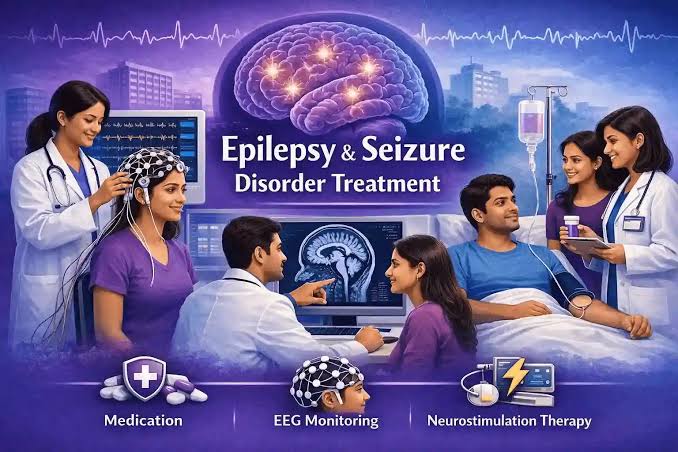
- Electroencephalogram (EEG) to measure brain activity
- MRI scan to identify structural brain abnormalities
- CT scan if emergency evaluation is required
- Blood tests to rule out infections or metabolic disorders
Early diagnosis helps reduce seizure frequency and lowers the risk of injury caused by uncontrolled seizures.
Treatment Options
Modern epilepsy treatment offers excellent outcomes for many patients. The treatment plan depends on the patient’s age, seizure type, overall health, and underlying cause.
Anti-Seizure Medications
Most patients achieve good seizure control with prescribed anti-epileptic medicines. Taking medication regularly and exactly as advised is essential for successful treatment.
Lifestyle Management
Healthy lifestyle habits can reduce seizure triggers. Patients are often advised to:
- Get adequate sleep
- Take medicines on time
- Avoid excessive alcohol consumption
- Manage stress effectively
- Maintain a healthy diet
- Avoid known seizure triggers whenever possible
Surgical Treatment
If medications fail to control seizures, surgery may be considered after careful neurological evaluation. Surgery is recommended only for selected patients.
Vagus Nerve Stimulation (VNS)
Some patients with difficult-to-control epilepsy may benefit from Vagus Nerve Stimulation, which helps reduce seizure frequency when medication alone is not sufficient.
Regular Follow-Up
Routine neurological follow-ups allow treatment adjustments, monitor medication effectiveness, and help minimize side effects. At Dr. Raghav Neurocare, treatment plans are carefully tailored to each patient’s individual needs.
When Should You Consult a Neurologist?
Consult a neurologist immediately if you experience:
- A first-time seizure
- Repeated seizure episodes
- Loss of consciousness without explanation
- Seizures lasting longer than five minutes
- Difficulty recovering after a seizure
- Seizures during pregnancy
- Injury during a seizure
- Poor seizure control despite medication
Early medical evaluation improves long-term outcomes and reduces the risk of serious complications.
Conclusion
Epilepsy is a manageable neurological condition when diagnosed early and treated appropriately. Advances in neurological care have enabled many patients to live seizure-free or experience significantly fewer seizures. Timely diagnosis, proper medication, healthy lifestyle choices, and regular follow-up play an important role in successful treatment. If you are looking for reliable Epilepsy Treatment in Mathura, consulting an experienced neurologist can help you receive the right diagnosis and long-term care for better brain health.
Book an Appointment at Dr. Raghav Neurocare, Mathura
If you or a loved one is experiencing seizures or has been diagnosed with epilepsy, don’t delay treatment. Dr. Raghav Neurocare offers comprehensive neurological evaluation, accurate diagnosis, and personalized treatment plans for epilepsy patients. Book your appointment today and take the first step toward better seizure control and improved quality of life.
Frequently Asked Questions (FAQs)
1. Can epilepsy be cured completely?
Some patients become seizure-free with medication, while others require long-term management. Early treatment significantly improves outcomes.
2. Is every seizure a sign of epilepsy?
No. A single seizure does not always mean epilepsy. A neurologist performs detailed tests before confirming the diagnosis.
3. Can epilepsy patients lead a normal life?
Yes. With proper treatment and regular follow-up, many people with epilepsy live healthy, productive, and independent lives.
4. How long does epilepsy treatment continue?
The duration depends on the patient’s condition, seizure type, and response to medication. Some patients may need treatment for several years.
5. When should I seek emergency medical care for a seizure?
Seek immediate medical attention if a seizure lasts more than five minutes, repeated seizures occur without recovery, breathing becomes difficult, or the person is injured during the seizure.