Stroke Treatment in Mathura: Symptoms, Diagnosis & Care
Introduction
A stroke is a medical emergency that can affect movement, speech, memory, vision, and other brain functions. Getting medical help as quickly as possible can make a major difference in recovery and may reduce the risk of long-term disability. Understanding the warning signs and knowing where to seek appropriate care is important for every family. If you are looking for Stroke Treatment in Mathura, timely consultation with a qualified neurologist can help with accurate diagnosis, treatment planning, and follow-up care based on the patient’s condition.
What is Stroke Treatment in Mathura?
Stroke Treatment in Mathura refers to the medical evaluation and management of patients who have experienced a stroke. A stroke happens when blood supply to part of the brain is interrupted or when a blood vessel in the brain bleeds.
There are two main types of stroke:
- Ischemic stroke: Caused by a blood clot blocking blood flow to the brain.
- Hemorrhagic stroke: Occurs when a blood vessel in the brain ruptures and causes bleeding.
Treatment depends on the type of stroke, the area of the brain affected, the severity of symptoms, and how quickly the patient receives medical attention.
Symptoms of Stroke
Stroke symptoms often appear suddenly. Remembering the FAST warning signs can be helpful:
- Face: One side of the face may droop or feel numb.
- Arm: One arm may become weak or numb.
- Speech: Speech may become unclear, confused, or difficult to understand.
- Time: Seek emergency medical help immediately.
Other symptoms can include sudden:
- Difficulty walking or loss of balance
- Severe dizziness
- Vision problems in one or both eyes
- Numbness or weakness on one side of the body
- Confusion or difficulty understanding others
- Severe headache, particularly with a hemorrhagic stroke
Even if symptoms improve after a few minutes, medical evaluation is still important because it could be a transient ischemic attack (TIA), which can be a warning sign of a future stroke.
Causes and Risk Factors
Several conditions can increase the risk of stroke. Common risk factors include:
- High blood pressure
- Diabetes
- High cholesterol
- Heart disease and certain heart rhythm problems
- Smoking or tobacco use
- Obesity and physical inactivity
- Excessive alcohol consumption
- Previous stroke or TIA
- Increasing age
- Certain blood vessel or clotting disorders
Managing these risk factors through regular medical care, prescribed medicines, a balanced diet, physical activity, and lifestyle changes can help reduce stroke risk.
How is Stroke Diagnosed?
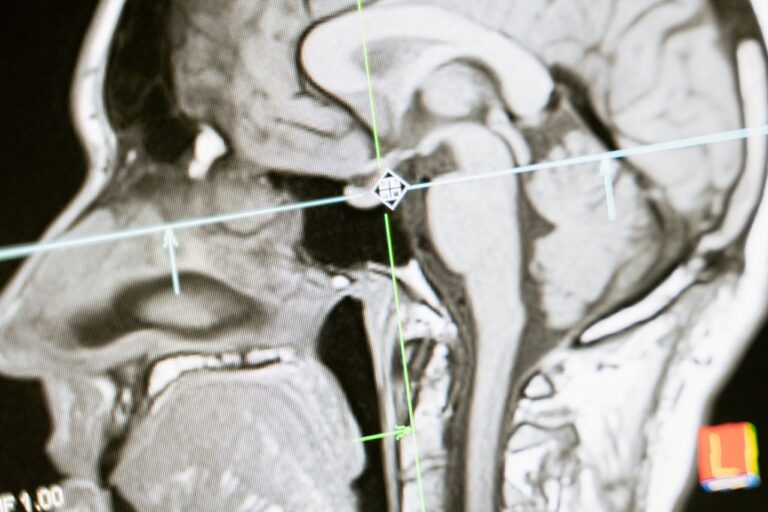
A neurologist first evaluates the patient’s symptoms, medical history, and neurological function. Because stroke treatment depends greatly on identifying the type of stroke, brain imaging is often essential.
Depending on the situation, investigations may include:
- CT scan of the brain to identify bleeding and other changes
- MRI brain to provide detailed images of brain tissue
- Blood tests
- Blood pressure and blood sugar evaluation
- ECG and cardiac assessment
- Tests of blood vessels, when required
Early and accurate diagnosis helps doctors determine the most appropriate treatment approach.
Stroke Treatment Options
Stroke treatment is based on the type and severity of the condition.
For an ischemic stroke, emergency treatment may involve medicines that help dissolve or manage blood clots when the patient reaches the hospital within the appropriate treatment window. In selected cases, a procedure may be considered to remove a large blood clot from a blocked blood vessel.
For a hemorrhagic stroke, treatment focuses on controlling bleeding, blood pressure, brain swelling, and other complications. Some patients may require neurosurgical intervention depending on the location and severity of the bleeding.
After the emergency phase, recovery may involve:
- Physiotherapy for movement and strength
- Speech and language therapy
- Occupational therapy
- Treatment of swallowing difficulties
- Management of blood pressure, diabetes, cholesterol, and other risk factors
- Regular neurological follow-up
At Dr. Raghav Neurocare, Mathura, stroke evaluation and neurological care can be planned according to the individual needs of the patient.
When Should You Consult a Neurologist?
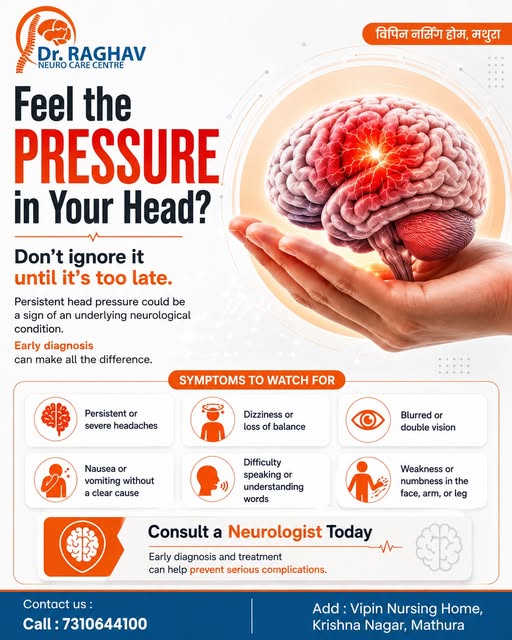
Do not wait for symptoms to become severe. Sudden weakness, facial drooping, speech difficulty, loss of balance, vision changes, confusion, or an unexplained severe headache requires immediate medical attention.
Stroke is an emergency, so patients with sudden symptoms should be taken to an appropriate emergency facility without delay. A neurologist can subsequently help evaluate the neurological condition, identify possible causes, manage risk factors, and guide recovery and long-term care.
Conclusion
Stroke can have serious consequences, but rapid recognition and timely medical care can significantly influence outcomes. Understanding the warning signs, identifying risk factors, and following an appropriate treatment and rehabilitation plan are important parts of stroke care. If you or a family member develops sudden symptoms suggestive of stroke, seek emergency medical attention immediately rather than waiting for the symptoms to disappear.
For patients searching for Stroke Treatment in Mathura, professional neurological evaluation and timely follow-up can support safer, more personalized care.
Call to Action
Looking for neurological care in Mathura?
Book an appointment at Dr. Raghav Neurocare, Mathura for expert neurological evaluation, stroke management, and personalized follow-up care.
Frequently Asked Questions
1. What are the first signs of a stroke?
Common warning signs include sudden facial drooping, weakness or numbness in one arm or one side of the body, difficulty speaking, confusion, vision problems, dizziness, and loss of balance.
2. Is stroke a medical emergency?
Yes. A stroke requires urgent medical attention. Early evaluation and treatment may help limit brain damage and improve the chances of recovery.
3. Can a person recover after a stroke?
Recovery varies from person to person. It depends on factors such as the type and severity of the stroke, the area of the brain affected, overall health, and how quickly treatment begins. Rehabilitation can support recovery.
4. Can stroke be prevented?
Some strokes can be prevented by controlling risk factors such as high blood pressure, diabetes, high cholesterol, smoking, obesity, and certain heart conditions. Regular medical check-ups can help identify and manage these risks.
5. Should I consult a neurologist after a TIA?
Yes. A TIA can be a warning sign of a future stroke. Prompt neurological evaluation can help identify possible causes and guide measures to reduce future stroke risk.