Headache Treatment in Mathura: Causes, Diagnosis & Care
Introduction
Headaches are one of the most common health problems and can affect people of all ages. While an occasional headache may improve with rest, repeated or severe headaches should not always be ignored. They can sometimes be linked to migraine, tension, sinus problems, medication use, or other medical conditions. Finding the right Headache Treatment in Mathura starts with understanding the type and possible cause of the headache. A neurologist can assess your symptoms, identify warning signs, and suggest suitable treatment to help reduce pain and prevent headaches from affecting your daily life.
What is Headache Treatment in Mathura?
Headache Treatment in Mathura refers to medical evaluation and care for people experiencing occasional, frequent, severe, or recurring headaches. Headaches can feel different from one person to another. Some people experience a dull pressure, while others may have throbbing or sharp pain.
Common headache types include tension-type headaches and migraine. Some headaches may occur because of dehydration, lack of sleep, stress, eye strain, or missed meals. In other cases, headaches can be associated with an underlying health condition.
Treatment should therefore depend on the type, frequency, severity, and possible cause of the headache rather than simply treating the pain.
Symptoms
Headache symptoms can vary depending on the underlying cause. Common symptoms include:
- Dull, aching, or pressure-like pain
- Throbbing or pulsating pain
- Pain on one or both sides of the head
- Pain around the forehead, temples, or behind the eyes
- Sensitivity to light or sound
- Nausea or vomiting
- Headache that becomes worse with physical activity
- Difficulty concentrating during an episode
- Repeated headaches that interfere with work or sleep
Keeping a simple headache diary can be useful. Recording when the headache occurs, how long it lasts, possible triggers, and accompanying symptoms may help a neurologist understand the pattern.
Causes
Headaches can have many possible causes. Common triggers include stress, poor sleep, dehydration, skipped meals, prolonged screen use, and excessive caffeine or sudden caffeine withdrawal.
Migraine may cause moderate to severe throbbing pain and can be accompanied by nausea and sensitivity to light or sound. Tension-type headaches often feel like pressure or tightening around the head.
Frequent use of pain-relief medicines can also contribute to medication-overuse headaches in some people. Less commonly, headaches can be associated with infections, high blood pressure in certain situations, or problems involving the brain or blood vessels. This is why persistent or unusual headaches deserve proper medical evaluation.
Diagnosis
A neurologist usually begins by discussing your headache history, including when the pain started, its location, severity, duration, frequency, and associated symptoms. Your medical history and current medicines may also be reviewed.
A neurological examination may be performed to check functions such as strength, sensation, coordination, reflexes, and vision.
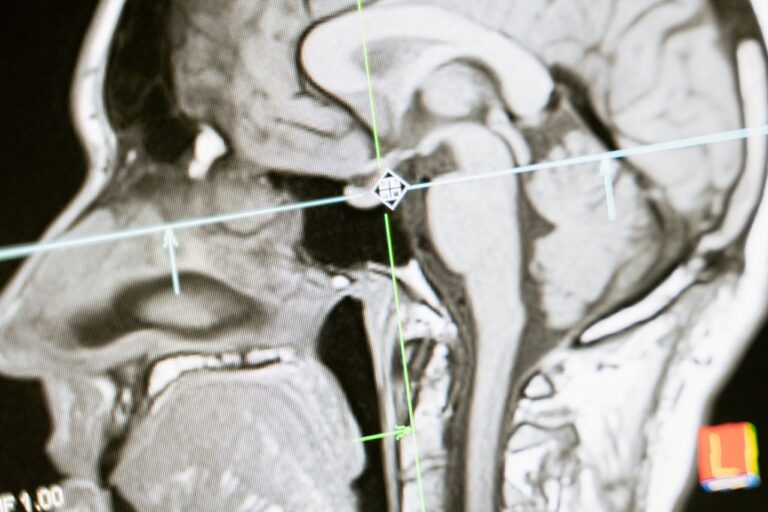
Not everyone with a headache needs a scan. If the symptoms or examination suggest a possible underlying problem, the neurologist may recommend tests such as MRI or CT imaging, blood tests, or other investigations.
Treatment Options
Treatment depends on the type and cause of the headache. A neurologist may recommend medicines to relieve an acute headache or preventive medicines when headaches occur frequently.
For migraine, treatment may include migraine-specific medicines, preventive treatment, and lifestyle measures. Tension-related headaches may improve with stress management, adequate sleep, hydration, and appropriate medication.
Identifying personal triggers can also help. Regular meals, good sleep habits, adequate fluid intake, breaks from prolonged screen use, and limiting excessive caffeine may reduce headaches for some people.
At Dr. Raghav Neurocare, patients can receive neurological evaluation and guidance based on their individual headache symptoms and medical history.
When Should You Consult a Neurologist?
You should consider seeing a neurologist if headaches are frequent, severe, getting worse, or interfering with work, studies, sleep, or daily activities.
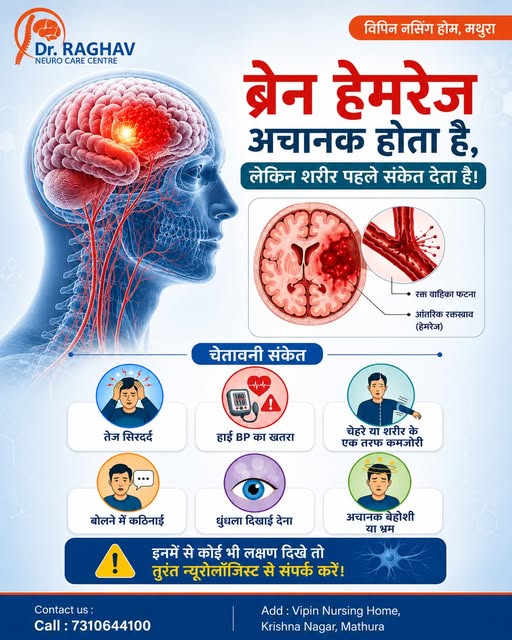
Seek urgent medical attention for a sudden and extremely severe headache, especially if it is unlike previous headaches or occurs with weakness, numbness, confusion, fainting, difficulty speaking, vision changes, seizures, fever with neck stiffness, or repeated vomiting. A headache following a significant head injury also requires prompt medical assessment.
Early evaluation can help determine whether the headache is a common primary headache disorder or requires investigation for another cause.
Conclusion
Headaches should not always be treated as a routine problem, particularly when they occur frequently or change in pattern. Understanding the symptoms and possible triggers can help with proper diagnosis and management. The right Headache Treatment in Mathura depends on the individual’s symptoms, medical history, and underlying cause. A neurologist can provide appropriate evaluation and develop a treatment approach aimed at controlling pain and reducing future episodes.
Call to Action
If recurring or severe headaches are affecting your daily life, book an appointment at Dr. Raghav Neurocare, Mathura for professional neurological evaluation and guidance.
Frequently Asked Questions
1. What is the best treatment for frequent headaches?
Treatment depends on the type and cause of the headache. A neurologist may recommend pain-relief medicines, preventive treatment, and lifestyle changes based on your symptoms.
2. When should I see a neurologist for a headache?
Consult a neurologist when headaches are frequent, severe, worsening, recurring, or affecting your daily activities, sleep, work, or studies.
3. Can dehydration cause headaches?
Yes. Not drinking enough fluids can contribute to headaches in some people. Maintaining adequate hydration may help prevent headaches related to dehydration.
4. Are frequent headaches a sign of migraine?
Frequent headaches may be caused by migraine, but not every recurring headache is a migraine. Symptoms such as throbbing pain, nausea, and sensitivity to light or sound can provide useful clues.
5. Do all headaches require an MRI or CT scan?
No. Many common headaches can be diagnosed through medical history and neurological examination. Imaging is generally considered when symptoms or examination findings suggest a need for further investigation.