
When Is a Headache a Serious Problem?
A headache is a common health problem that can affect people of all ages. It may happen after a long day at work, poor sleep, stress, or dehydration. Most headaches improve with rest and simple lifestyle changes. However, some headaches can be a warning sign of an underlying medical condition that needs attention. When is a headache a serious problem? Knowing the warning signs can help you understand when to seek medical care and when a headache should not be ignored.
What Is a Serious Headache?
A serious headache is one that may indicate an underlying condition requiring prompt medical attention. While conditions such as migraine and tension headaches are common, some headaches can be linked to infections, bleeding in the brain, or other neurological problems.
The severity of pain alone does not always tell you how serious a headache is. A sudden, unusual headache or one accompanied by other symptoms may need urgent evaluation.
Symptoms: Warning Signs You Should Not Ignore
Recognising the warning signs is important when deciding whether a headache needs medical attention.
Seek emergency medical care if you experience:
- Sudden, severe pain: A headache that reaches its maximum intensity within seconds or minutes, especially if it is your worst-ever headache.
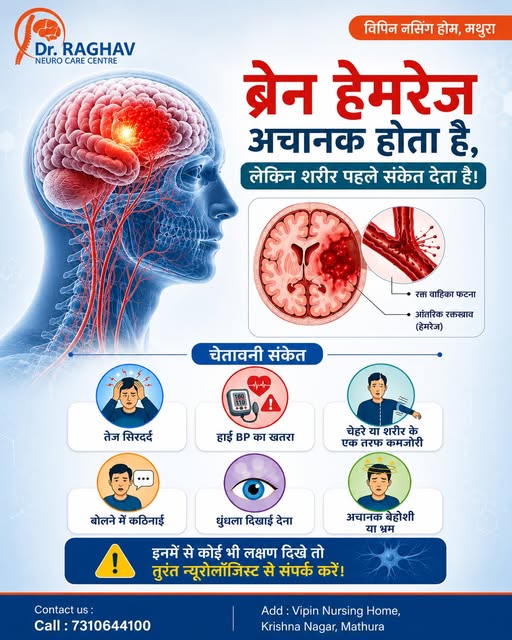
- Weakness or numbness: Sudden weakness, numbness, or facial drooping, particularly on one side of the body.
- Speech or vision problems: Difficulty speaking, confusion, blurred vision, or sudden loss of vision.
- Fever and a stiff neck: These symptoms, particularly with a severe headache, may indicate a serious infection.
- Seizures or fainting: A headache accompanied by a seizure, loss of consciousness, or unusual drowsiness.
- Head injury: A severe or worsening headache following a fall, accident, or blow to the head.
Do not wait for these symptoms to disappear. Call 112 in India or seek emergency care immediately if any of these warning signs occur.
What Causes Serious Headaches?
Headaches can develop for many reasons. Common causes include stress, dehydration, lack of sleep, eye strain, and migraine.
However, some headaches may be associated with more serious conditions, such as:
- Stroke or bleeding in the brain: These may cause a sudden, severe headache with neurological symptoms.
- Meningitis: An infection affecting the protective membranes around the brain and spinal cord. It may cause fever, headache, and neck stiffness.
- Head injuries: Trauma can sometimes lead to bleeding or other complications.
- Raised pressure inside the skull: Increased pressure may cause persistent headaches and sometimes changes in vision.
These conditions are not the most common causes of headaches, but recognising their warning signs is essential.
How Is a Serious Headache Diagnosed?
A neurologist will ask about your symptoms, when the headache started, how long it lasts, and whether it has changed over time. You may also be asked about your medical history, medications, and any associated symptoms.
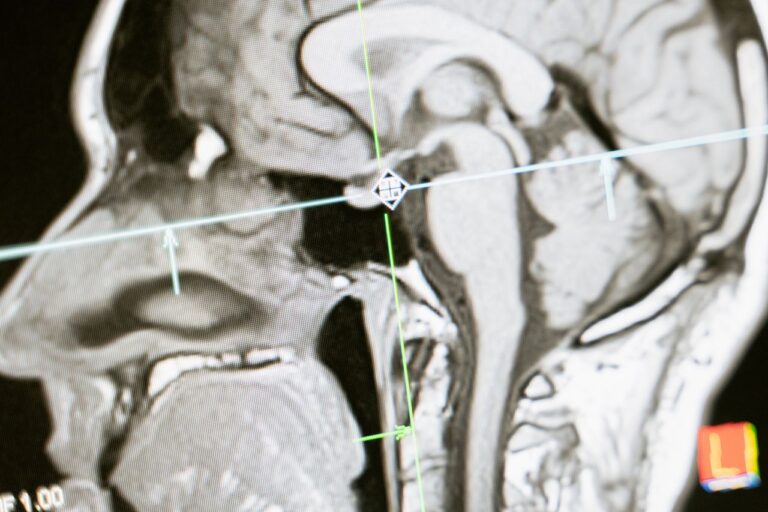
A physical and neurological examination can help identify possible concerns. Depending on your symptoms, the doctor may recommend investigations such as a CT scan, MRI, or blood tests.
Not every headache requires a brain scan. The need for tests depends on your symptoms, examination findings, and medical history.
Treatment Options for Headaches
Treatment depends on the cause and type of headache.
- Lifestyle changes: Drinking enough water, eating regular meals, maintaining a sleep routine, and managing stress may help reduce common headaches.
- Medication: A doctor may recommend suitable pain-relief medicines or specific migraine treatments.
- Preventive treatment: People with frequent headaches may benefit from medicines that reduce how often headaches occur.
- Treatment of the underlying cause: If a headache is linked to an infection or another medical condition, that condition needs appropriate treatment.
Avoid taking painkillers too frequently without medical advice, as overuse can itself contribute to recurring headaches.
When Should You Consult a Neurologist?
Consider consulting a neurologist if your headaches happen frequently, become more severe, or interfere with your work, sleep, or daily activities. You should also seek medical advice if your usual headache pattern changes, the pain does not improve, or you experience unexplained symptoms alongside it.
People with a new headache after the age of 50, a history of cancer, or a weakened immune system should seek prompt medical assessment.
If you experience a sudden, severe headache or symptoms such as weakness, confusion, or difficulty speaking, go to the nearest emergency department immediately rather than waiting for a routine appointment.
Conclusion
Understanding when a headache is a serious problem can help you take the right steps for your health. Most headaches are not emergencies, but sudden severe pain, neurological symptoms, fever with neck stiffness, or a headache following an injury should never be ignored.
Pay attention to changes in your headache pattern and seek medical advice when needed. Early assessment can help identify the cause and guide appropriate treatment.
Book an Appointment at Dr. Raghav Neurocare, Mathura
If you are experiencing recurring headaches, unexplained head pain, or changes in your usual headache pattern, consult a qualified medical professional.
At Dr. Raghav Neurocare, Mathura, you can seek neurological evaluation and guidance for headache-related concerns. Do not delay emergency care if you have any serious warning signs.
Frequently Asked Questions (FAQs)
1. When is a headache a serious problem?
A headache may be serious if it starts suddenly and severely, is accompanied by weakness, confusion, vision changes, fever with neck stiffness, or follows a head injury.
2. Can a headache be a sign of a brain problem?
Yes. Although most headaches are not caused by serious brain conditions, some may be associated with bleeding, infections, or changes in pressure inside the skull.
3. When should I see a neurologist for a headache?
Consult a neurologist if headaches occur frequently, become more severe, change in pattern, or interfere with daily activities. Sudden severe headaches require emergency care.
4. Can stress cause frequent headaches?
Yes. Stress can contribute to tension-type headaches and may trigger migraines in some people. Poor sleep, dehydration, and irregular meals may also play a role.
5. Do all serious headaches require an MRI?
No. An MRI is not necessary for every headache. A doctor decides whether an MRI, CT scan, or another test is appropriate based on your symptoms and examination.