Difference Between Migraine and Headache: Know the Signs and Get the Right Treatment
Introduction
Many people use the terms migraine and headache as if they mean the same thing. However, they are different conditions with different causes, symptoms, and treatment approaches. Understanding the Difference Between Migraine and Headache is important because proper diagnosis can help you receive the right treatment and improve your quality of life. While a simple headache often goes away with rest or medication, migraines can be severe and may interfere with work, family life, and daily activities. Knowing the warning signs can help you seek medical care before the condition worsens.
What is the Difference Between Migraine and Headache?
A headache is a general term used to describe pain or discomfort in the head, scalp, or neck. It can range from mild to severe and may occur due to stress, dehydration, lack of sleep, infections, or sinus problems.
A migraine, on the other hand, is a neurological disorder that causes recurring attacks of intense head pain. It is often accompanied by other symptoms such as nausea, vomiting, and sensitivity to light or sound. Migraine attacks may last from a few hours to several days and usually require specific treatment.
Here are the key differences:
- Pain Intensity: Headaches are usually mild to moderate, while migraines are often moderate to severe.
- Pain Location: Headaches may affect the entire head, whereas migraines commonly affect one side of the head.
- Associated Symptoms: Migraines often include nausea, vomiting, and sensitivity to light or sound, while ordinary headaches usually do not.
- Duration: A headache may last a few hours, whereas migraines can continue for up to 72 hours.
- Impact on Daily Life: Migraines often make normal activities difficult and may require complete rest.
Understanding the Difference Between Migraine and Headache helps patients recognize when medical attention is necessary.
Symptoms
Common Headache Symptoms
- Mild to moderate head pain
- Pressure or tightness around the head
- Pain in the forehead, temples, or back of the head
- Temporary discomfort that improves with rest
Common Migraine Symptoms
- Throbbing or pulsating pain
- Pain usually on one side of the head
- Nausea or vomiting
- Sensitivity to light, sound, or strong smells
- Blurred vision or visual disturbances (aura) in some patients
- Difficulty concentrating
- Fatigue before or after the attack
Causes
Headaches and migraines have different triggers.
Common Headache Causes
- Stress or anxiety
- Lack of sleep
- Dehydration
- Eye strain
- Poor posture
- Fever or sinus infection
Common Migraine Triggers
- Hormonal changes
- Certain foods such as chocolate or processed foods
- Bright lights or loud sounds
- Emotional stress
- Changes in weather
- Skipping meals
- Lack of proper sleep
- Family history of migraines
Identifying personal triggers is an important step in preventing future episodes.
Diagnosis
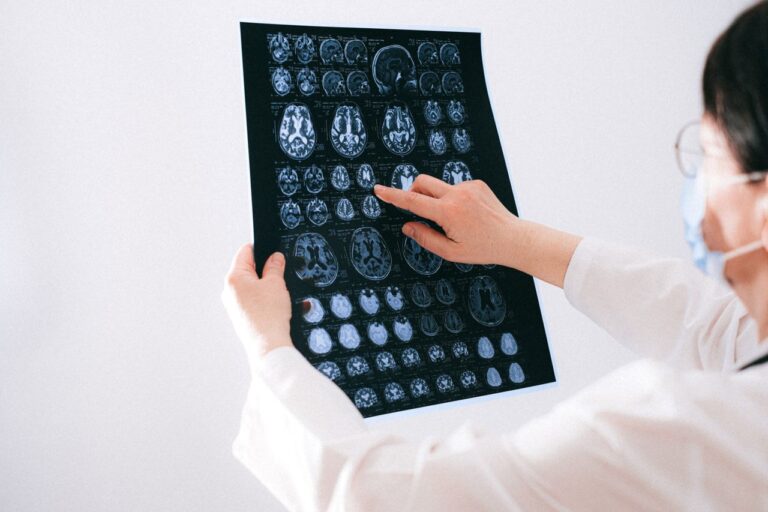
A neurologist diagnoses headaches and migraines by reviewing your medical history, symptoms, and lifestyle. A physical and neurological examination helps identify possible causes.
If necessary, additional tests may include:
- MRI scan
- CT scan
- Blood tests
- Eye examination
- Neurological assessment
These investigations help rule out serious conditions and ensure an accurate diagnosis. At Dr. Raghav Neurocare, every patient receives a personalized evaluation based on their symptoms and medical history.
Treatment Options
Treatment depends on whether the patient has a headache or a migraine.
Common treatment options include:
- Pain-relieving medicines
- Migraine-specific medications
- Preventive medicines for frequent migraines
- Adequate hydration
- Regular sleep schedule
- Stress management techniques
- Healthy diet and regular exercise
- Avoiding known migraine triggers
Patients with frequent or severe migraine attacks should avoid self-medication and seek professional neurological care. Early treatment often reduces the severity and frequency of attacks.
When Should You Consult a Neurologist?
You should consult a neurologist if you experience:
- Frequent headaches that interfere with daily life
- Severe migraine attacks
- Sudden or unusual headaches
- Headaches associated with weakness or numbness
- Vision changes
- Difficulty speaking
- Headaches after a head injury
- Headaches that do not improve with medication
Early consultation helps identify the underlying cause and prevents complications. Dr. Raghav Neurocare offers expert evaluation and treatment for headaches, migraines, and other neurological disorders in Mathura.
Conclusion
Knowing the Difference Between Migraine and Headache can help you recognize symptoms early and choose the right treatment. While occasional headaches are common, frequent or severe migraines should never be ignored. Proper diagnosis, lifestyle modifications, and timely treatment can significantly improve your quality of life. If persistent headaches or migraines are affecting your daily routine, consult a qualified neurologist for expert guidance and long-term relief.
Call-to-Action
If you are experiencing frequent headaches or migraine attacks, don’t ignore the symptoms. Book an appointment at Dr. Raghav Neurocare, Mathura, for expert diagnosis, personalized treatment, and compassionate neurological care to help you live a healthier, pain-free life.
Frequently Asked Questions (FAQs)
1. What is the main difference between a migraine and a headache?
A headache is a symptom of head pain, while a migraine is a neurological condition that causes severe headaches along with other symptoms like nausea and sensitivity to light.
2. Can stress cause both headaches and migraines?
Yes. Stress is one of the most common triggers for both tension headaches and migraine attacks.
3. When should I worry about a headache?
Seek immediate medical attention if you have a sudden severe headache, headache after an injury, vision changes, weakness, or difficulty speaking.
4. Can migraines be prevented?
Yes. Regular sleep, a healthy diet, stress management, hydration, and avoiding personal triggers can help reduce migraine attacks.
5. Should I consult a neurologist for frequent headaches?
Yes. If headaches occur repeatedly, become severe, or interfere with daily activities, a neurologist can identify the cause and recommend appropriate treatment.