Brain Specialist in Mathura: When Should You See One?
Introduction
The brain controls almost every function of the body, from movement and speech to memory, sleep, and emotions. When something affects the brain or nervous system, symptoms may sometimes appear suddenly or develop gradually. Headaches, dizziness, seizures, memory problems, weakness, or unusual sensations should not always be ignored. Consulting the right specialist can help identify the underlying cause and start appropriate treatment. If you are searching for a Brain Specialist in Mathura, understanding when neurological evaluation is needed can help you take timely steps toward better brain and nerve health.
What is a Brain Specialist in Mathura?
A brain specialist is generally a neurologist, a doctor trained to diagnose and manage conditions affecting the brain, spinal cord, nerves, and muscles. A neurologist evaluates symptoms, performs neurological examinations, and may recommend tests to understand what is causing the problem.
A Brain Specialist in Mathura can help patients with conditions such as migraine, epilepsy, stroke, Parkinson’s disease, neuropathy, dementia, movement disorders, and other neurological problems.
Not every headache or episode of dizziness indicates a serious neurological condition. However, persistent, recurring, unusual, or worsening symptoms deserve professional evaluation rather than self-diagnosis.
Symptoms That May Need Neurological Evaluation
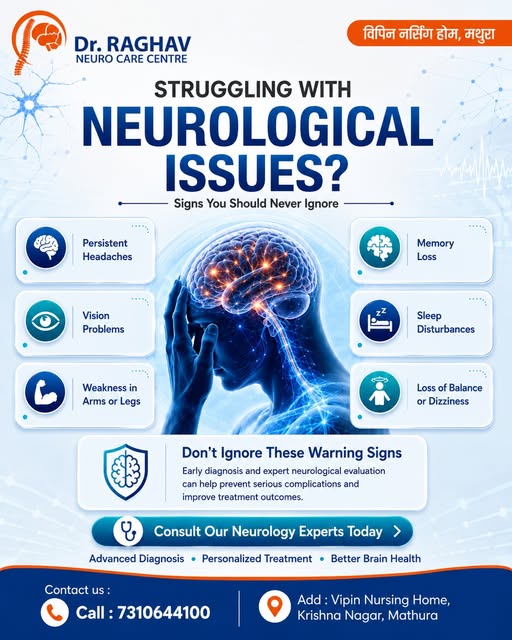
Neurological symptoms can vary depending on the affected part of the nervous system. Some common warning signs include:
- Frequent or severe headaches or migraine
- Sudden dizziness or balance problems
- Numbness or tingling in the hands, feet, or other areas
- Muscle weakness or difficulty moving a limb
- Repeated seizures or unusual episodes of unconsciousness
- Tremors or involuntary movements
- Memory loss or increasing confusion
- Difficulty speaking or understanding speech
- Changes in vision
- Problems with walking or coordination
- Persistent sleep-related neurological symptoms
- Sudden changes in behaviour or mental alertness
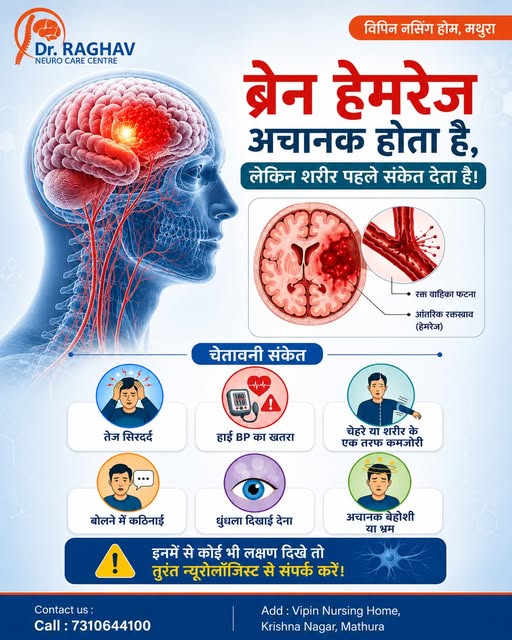
Some symptoms, particularly sudden facial weakness, difficulty speaking, loss of vision, or weakness on one side of the body, may indicate a stroke and require emergency medical attention.
Causes of Neurological Problems
Neurological symptoms can have many different causes. Migraine and tension headaches may be associated with stress, sleep problems, dehydration, or other triggers. Nerve symptoms may develop because of diabetes, nutritional deficiencies, injuries, or nerve compression.
Other neurological problems can be linked to infections, blood vessel conditions, genetic factors, autoimmune diseases, ageing, or changes affecting the brain and spinal cord. Sometimes, the exact cause is not immediately obvious.
This is why professional evaluation is important. A neurologist considers the patient’s symptoms, medical history, medications, lifestyle, and examination findings before deciding what further evaluation may be required.
Diagnosis
Diagnosis begins with a detailed consultation. A neurologist may ask about when symptoms started, how frequently they occur, what makes them better or worse, and whether other symptoms occur at the same time.
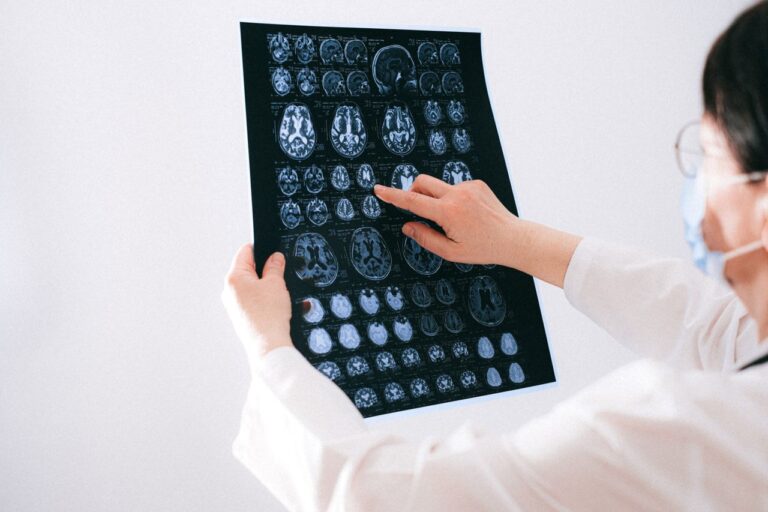
A neurological examination may assess muscle strength, reflexes, sensation, coordination, balance, speech, and memory. Depending on the suspected condition, the doctor may recommend investigations such as blood tests, MRI or CT scans, EEG, nerve conduction studies, or other specialised tests.
The specific tests needed depend on the patient’s symptoms. Not everyone requires every investigation.
Treatment Options
Treatment depends on the underlying neurological condition. For some patients, medicines may help control migraine, seizures, nerve pain, movement problems, or other symptoms. In other cases, physiotherapy, lifestyle changes, rehabilitation, or supportive care may be recommended.
Treatment may also focus on managing conditions that contribute to neurological problems, such as diabetes or nutritional deficiencies. Some patients may require referral to another specialist or a multidisciplinary care team.
At Dr. Raghav Neurocare, neurological evaluation can help patients understand their symptoms and explore an appropriate treatment approach based on their individual needs.
When Should You Consult a Neurologist?
You should consider consulting a neurologist when neurological symptoms are persistent, recurrent, unexplained, or affecting your everyday activities.
Seek immediate emergency care for sudden symptoms such as facial drooping, weakness or numbness on one side of the body, difficulty speaking, sudden severe headache, sudden loss of vision, or loss of consciousness. These can be signs of a medical emergency.
For ongoing concerns such as migraine, tremors, memory problems, seizures, numbness, or balance difficulties, timely consultation can help identify the cause and prevent unnecessary delays in care.
Conclusion
Finding the right Brain Specialist in Mathura can be an important step when you are experiencing persistent or unexplained neurological symptoms. Early evaluation can help identify possible causes and guide appropriate treatment. Avoid relying on online information or self-medication for recurring neurological problems. A qualified neurologist can assess your condition and recommend care based on your individual symptoms and medical history.
Call to Action
If you or a family member is experiencing headaches, migraine, seizures, memory problems, numbness, weakness, tremors, or other neurological concerns, consider professional evaluation.
Book an appointment at Dr. Raghav Neurocare, Mathura for a neurological consultation and personalised care.
Frequently Asked Questions
1. What does a brain specialist treat?
A neurologist treats conditions affecting the brain, spinal cord, nerves, and muscles, including migraine, epilepsy, stroke, Parkinson’s disease, neuropathy, and memory-related disorders.
2. When should I see a brain specialist for headaches?
If headaches are frequent, severe, recurring, worsening, or interfering with daily activities, a neurological evaluation may be appropriate.
3. Can a neurologist diagnose memory problems?
Yes. A neurologist can evaluate memory concerns, assess possible causes, and recommend appropriate tests or specialist care when required.
4. Is sudden weakness a neurological emergency?
Sudden weakness, particularly on one side of the body, can be a warning sign of stroke. Emergency medical attention should be sought immediately.
5. How do I choose a Brain Specialist in Mathura?
Look for a qualified neurologist with appropriate medical training and experience in evaluating neurological conditions. A detailed consultation is important for accurate assessment and treatment planning.