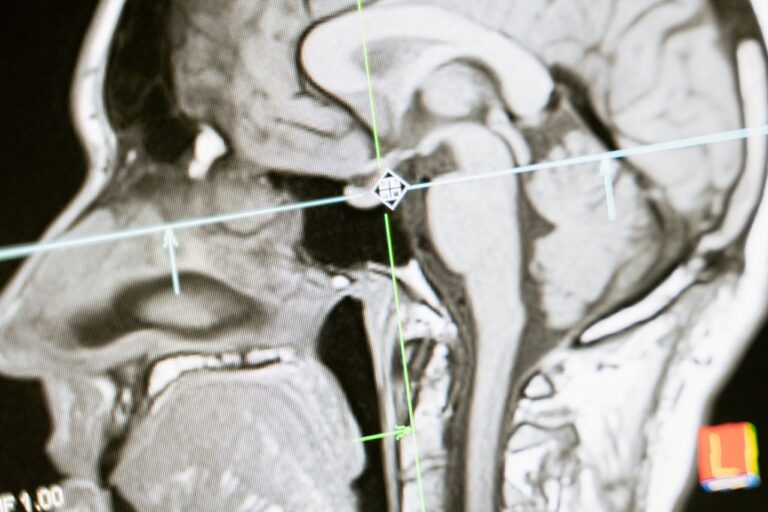

When Should You Visit a Neurologist?
Introduction
Many people ignore symptoms like frequent headaches, dizziness, numbness, or memory problems, thinking they will improve on their own. However, these signs can sometimes indicate problems related to the brain, spine, or nerves. Knowing when should you visit a neurologist can help you receive the right diagnosis and treatment before the condition becomes serious. A neurologist specializes in diseases affecting the nervous system and helps patients manage a wide range of neurological disorders. Early consultation often leads to better recovery and improves your overall quality of life.
What is When Should You Visit a Neurologist?
The question “When Should You Visit a Neurologist?” is important because many neurological conditions develop slowly and may not show severe symptoms in the beginning.
A neurologist is a doctor who diagnoses and treats conditions affecting the:
- Brain
- Spinal cord
- Peripheral nerves
- Muscles
You should consider visiting a neurologist if you experience symptoms that are frequent, severe, worsening, or affecting your daily activities. Timely medical attention can prevent complications and improve long-term outcomes.
Symptoms
Several symptoms may indicate that it is time to consult a neurologist. These include:
- Frequent or severe headaches
- Migraines that do not improve with medication
- Dizziness or loss of balance
- Tingling or numbness in the hands or feet
- Weakness in the arms or legs
- Seizures or sudden blackouts
- Memory loss or confusion
- Difficulty speaking or understanding speech
- Tremors or shaking of the hands
- Muscle stiffness or poor coordination
- Vision changes associated with neurological symptoms
- Facial weakness or sudden drooping
If these symptoms continue for several days or become worse, they should not be ignored.
Causes
Neurological symptoms can occur due to many different medical conditions. Some common causes include:
- Migraine disorders
- Stroke or reduced blood supply to the brain
- Epilepsy
- Parkinson’s disease
- Multiple sclerosis
- Brain infections
- Head injuries
- Peripheral neuropathy
- Vitamin deficiencies affecting nerves
- Diabetes-related nerve damage
- Brain tumors
- Genetic neurological disorders
Some conditions develop gradually, while others require immediate emergency treatment. A proper medical evaluation helps identify the exact cause.
Diagnosis
A neurologist carefully evaluates your symptoms before recommending treatment.
The diagnosis may include:
- Detailed medical history
- Physical and neurological examination
- Reflex and muscle strength testing
- Balance and coordination assessment
- Memory and cognitive function evaluation
- MRI or CT scan of the brain and spine
- EEG (Electroencephalogram) for seizure disorders
- EMG and nerve conduction studies
- Blood tests to rule out underlying medical conditions
The purpose of these tests is to determine the exact neurological problem and create the most suitable treatment plan.
Treatment Options
Treatment depends on the underlying neurological condition, its severity, and the patient’s overall health.
Common treatment options include:
Medications
Medicines help control headaches, seizures, Parkinson’s disease, nerve pain, inflammation, and other neurological conditions.
Lifestyle Changes
Healthy eating, regular exercise, proper sleep, stress management, and avoiding smoking can improve neurological health.
Physical Rehabilitation
Physiotherapy helps improve strength, balance, coordination, and movement after neurological illness or injury.
Occupational Therapy
Patients learn techniques to perform everyday activities more comfortably and independently.
Speech Therapy
Useful for patients who have difficulty speaking or swallowing after stroke or neurological disorders.
Surgical Referral
Some conditions such as brain tumors, severe spinal disorders, or epilepsy may require neurosurgical treatment.
With early diagnosis and proper care, many neurological disorders can be effectively managed.
When Should You Consult a Neurologist?
You should consult a neurologist immediately if you experience:
- Sudden weakness on one side of the body
- Difficulty speaking
- Sudden loss of vision
- Loss of consciousness
- Seizures
- Persistent numbness
- Frequent unexplained headaches
- Chronic dizziness
- Tremors affecting daily life
- Memory problems that continue to worsen
- Difficulty walking or maintaining balance
- Severe nerve pain that does not improve
Ignoring these symptoms can delay treatment and increase the risk of complications. If you have ongoing neurological concerns, Dr. Raghav Neurocare provides comprehensive neurological evaluation and personalized treatment for patients in Mathura.
Conclusion
Understanding when should you visit a neurologist is essential for protecting your brain and nervous system health. Symptoms such as repeated headaches, seizures, numbness, balance problems, or memory loss should never be ignored. Early diagnosis helps identify the underlying condition before it becomes more serious and allows treatment to begin at the right time. Regular medical care, healthy lifestyle habits, and prompt attention to neurological symptoms can greatly improve long-term health and quality of life.
Call-to-Action
If you or a loved one is experiencing persistent neurological symptoms, don’t delay seeking expert care. Book an appointment at Dr. Raghav Neurocare, Mathura, for accurate diagnosis, advanced neurological evaluation, and personalized treatment to help you live a healthier life.
Frequently Asked Questions (FAQs)
1. What symptoms require a visit to a neurologist?
You should visit a neurologist if you have frequent headaches, seizures, numbness, dizziness, weakness, tremors, memory loss, or difficulty walking.
2. Can a neurologist treat migraines?
Yes. Neurologists diagnose the cause of migraines and provide medications and preventive treatment to reduce their frequency and severity.
3. Do I need a neurologist for nerve pain?
Yes. Persistent nerve pain, tingling, burning sensations, or numbness should be evaluated by a neurologist to identify the underlying cause.
4. Is dizziness always a neurological problem?
Not always. Dizziness can have many causes, but if it is recurrent, severe, or associated with balance problems, neurological evaluation is recommended.
5. Why is early neurological diagnosis important?
Early diagnosis allows timely treatment, reduces complications, slows disease progression in many conditions, and improves recovery outcomes.