
Why Do I Get Frequent Headaches?
Introduction
Headaches are common, but getting them again and again can affect your work, sleep, concentration, and daily routine. If you often find yourself asking, “Why do I get frequent headaches?”, there may be several possible reasons. Stress, lack of sleep, dehydration, eyesight problems, migraine, sinus issues, or certain medical conditions can all contribute to recurring headaches. Understanding the pattern and associated symptoms can help identify the cause. This article explains common causes, symptoms, diagnosis, and treatment options, along with when frequent headaches should be checked by a neurologist.
What Is Frequent Headache?
A frequent headache means headaches occur repeatedly over a period of time rather than as an occasional problem. The pain may be mild, moderate, or severe and can affect different areas of the head.
Some people experience headaches around the forehead or temples, while others may feel pain on one side of the head or around the back of the neck. The duration can also vary from a short episode to several hours.
Frequent headaches are not always a sign of a serious condition. However, repeated or changing headaches should not simply be ignored, especially when they interfere with everyday activities.
Symptoms That May Occur With Frequent Headaches
The symptoms depend on the underlying cause. Common symptoms may include:
- Dull, aching, or throbbing pain in the head
- Pain on one or both sides of the head
- Pressure around the forehead or temples
- Nausea or vomiting
- Sensitivity to light or sound
- Dizziness or weakness
- Blurred or disturbed vision
- Neck or shoulder discomfort
- Difficulty concentrating
- Headache that becomes worse with physical activity
Keeping a simple headache diary can be helpful. Note when the headache starts, how long it lasts, where the pain occurs, possible triggers, and any other symptoms.
Common Causes of Frequent Headaches
There are many possible answers to “Why do I get frequent headaches?” Some common causes include:
1. Migraine
Migraine can cause moderate to severe, often throbbing pain. It may occur with nausea, vomiting, or sensitivity to light and sound. Some people also experience visual changes before or during an attack.
2. Stress and Tension
Mental stress, long working hours, poor posture, and muscle tension can contribute to tension-type headaches. The pain may feel like pressure or tightness around the head.
3. Lack of Sleep
Irregular sleep schedules, too little sleep, or poor-quality sleep may trigger headaches in some people.
4. Dehydration
Not drinking enough fluids, especially during hot weather, can contribute to headache and tiredness.
5. Skipping Meals
Long gaps between meals or inadequate food intake may trigger headaches in some individuals.
6. Excessive Screen Time
Spending many hours looking at computers or mobile phones may contribute to eye strain, poor posture, and headaches.
7. Medication Overuse
Taking pain-relief medicines too frequently can sometimes lead to medication-overuse headaches. This is one reason repeated self-medication should be avoided.
Other possible causes include sinus-related problems, vision difficulties, hormonal changes, high blood pressure in certain situations, infections, or neurological conditions.
How Is Frequent Headache Diagnosed?
Diagnosis usually begins with a detailed discussion about your headache pattern and medical history. A neurologist may ask about the location, severity, duration, frequency, triggers, associated symptoms, medications, sleep, and lifestyle.
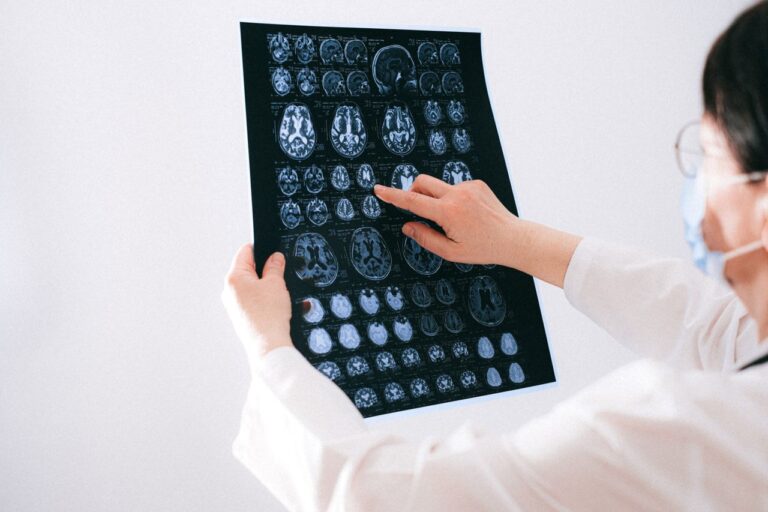
A physical and neurological examination may also be performed. In some cases, additional tests such as blood tests, eye examination, CT scan, or MRI may be recommended when the symptoms or examination suggest the need for further investigation.
Not every headache requires brain imaging. The appropriate test depends on the individual’s symptoms and clinical assessment.
Treatment Options
Treatment depends on the type and cause of the headache. A healthcare professional may recommend:
- Appropriate medicines for acute headache attacks
- Preventive medicines for recurrent migraines or other frequent headaches
- Adequate hydration and regular meals
- Consistent sleep habits
- Stress-management techniques
- Regular breaks during prolonged screen use
- Improvement in posture and daily physical activity
- Avoiding known headache triggers
It is important to follow medical advice about pain-relief medicines because frequent or inappropriate use can sometimes make headaches more difficult to control.
At Dr. Raghav Neurocare, headache evaluation focuses on understanding the individual’s symptoms and identifying an appropriate management plan based on the clinical assessment.
When Should You Consult a Neurologist?
You should consider consulting a neurologist if headaches are happening frequently, becoming more severe, changing in their usual pattern, or affecting your normal activities.
Seek urgent medical attention if a headache is sudden and extremely severe, follows a significant head injury, or occurs with symptoms such as loss of consciousness, seizures, severe weakness, difficulty speaking, confusion, or significant vision changes.
A new headache during pregnancy, in an older adult, or in someone with a weakened immune system may also require prompt medical evaluation.
Conclusion
Frequent headaches can have many different causes, and the right treatment depends on identifying what is triggering them. Migraine, stress, sleep problems, dehydration, screen-related strain, medication overuse, and other medical conditions can all play a role. If headaches keep returning or are affecting your quality of life, professional evaluation can help determine the cause and guide appropriate treatment.
Call to Action
If you are experiencing recurring or troublesome headaches, book an appointment at Dr. Raghav Neurocare, Mathura, for a professional neurological evaluation and personalized guidance.
Frequently Asked Questions
1. Why do I get frequent headaches even when I sleep properly?
Good sleep can reduce some headache triggers, but headaches may still occur because of migraine, stress, dehydration, vision problems, medication overuse, hormonal changes, or other causes. A proper evaluation can help identify the reason.
2. How many headaches are considered frequent?
There is no single number that applies to everyone. Headache frequency is considered along with duration, severity, type of headache, and its effect on daily life. Repeated headaches that interfere with normal activities deserve medical attention.
3. Can dehydration cause frequent headaches?
Yes. Not drinking enough fluids can contribute to headaches in some people. Maintaining adequate fluid intake is particularly important during hot weather or after significant sweating.
4. Can using painkillers frequently cause headaches?
Yes. Frequent use of certain pain-relief medicines can contribute to medication-overuse headaches. If you regularly need painkillers for headaches, discuss this with a healthcare professional.
5. When should I see a neurologist for headaches?
Consider a neurological consultation when headaches are frequent, severe, worsening, changing in pattern, or affecting your daily activities. Sudden severe headaches or headaches accompanied by serious neurological symptoms require urgent medical attention.