
Neuro Physician in Mathura
Introduction
The brain, spinal cord, and nerves control almost every function of the human body. When these parts do not work properly, they can affect movement, memory, balance, speech, or even daily activities. If you experience frequent headaches, dizziness, weakness, seizures, or numbness, it is important to seek medical advice without delay. A qualified Neuro Physician in Mathura can identify the underlying neurological condition and recommend the right treatment. Early diagnosis and proper care can prevent complications and help patients enjoy a healthier, more active life.
What is a Neuro Physician in Mathura?
A Neuro Physician in Mathura is a medical specialist who diagnoses, treats, and manages diseases affecting the brain, spinal cord, nerves, and muscles. These specialists are trained to identify neurological disorders using clinical evaluation, advanced diagnostic tests, and evidence-based treatment methods.
A neuro physician treats a wide range of conditions, including:
- Migraine and chronic headaches
- Stroke
- Epilepsy (seizures)
- Parkinson’s disease
- Alzheimer’s disease and memory disorders
- Peripheral neuropathy
- Multiple sclerosis
- Nerve pain
- Vertigo and balance disorders
- Tremors and movement disorders
Seeking medical care at the right time can significantly improve recovery and reduce the risk of long-term complications.
Symptoms
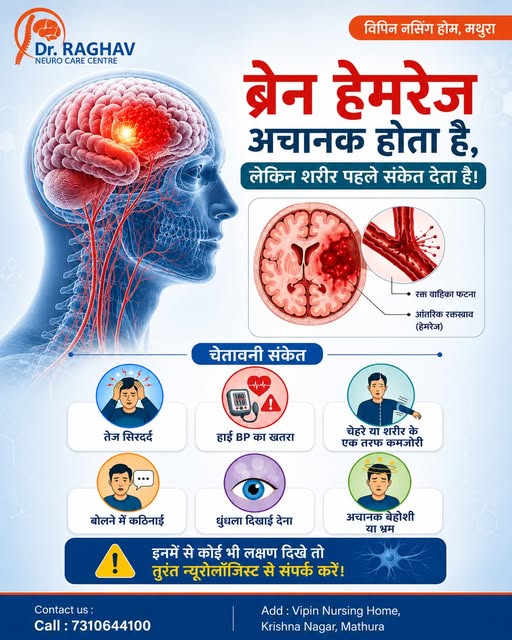
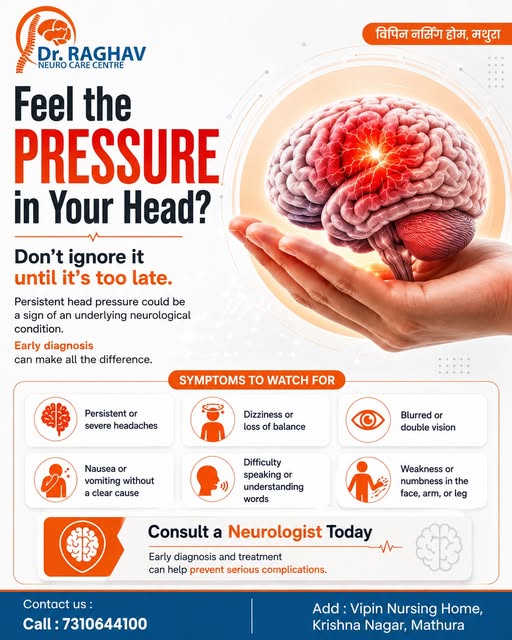
Neurological disorders may develop gradually or appear suddenly. You should never ignore symptoms that continue or become worse over time.
Common symptoms include:
- Frequent or severe headaches
- Dizziness or loss of balance
- Weakness in the arms or legs
- Numbness or tingling sensation
- Sudden loss of speech or confusion
- Memory problems
- Difficulty walking
- Muscle stiffness or tremors
- Seizures or unconsciousness
- Vision changes or double vision
If you notice any of these symptoms, consulting a Neuro Physician in Mathura can help determine the cause and begin timely treatment.
Causes
Neurological problems can occur due to several medical conditions and lifestyle factors. Some common causes include:
- High blood pressure
- Diabetes
- Stroke
- Brain infections
- Head injuries
- Genetic disorders
- Autoimmune diseases
- Vitamin deficiencies
- Aging-related changes
- Brain tumors
- Nerve damage
- Poor blood circulation to the brain
Maintaining a healthy lifestyle, controlling chronic diseases, and having regular medical check-ups can lower the risk of many neurological conditions.
Diagnosis
Accurate diagnosis is the first step toward effective treatment. A neuro physician carefully reviews your medical history, symptoms, and performs a neurological examination.
Depending on your condition, the doctor may recommend:
- Physical and neurological examination
- Blood tests
- MRI scan
- CT scan
- EEG (Electroencephalogram)
- EMG (Electromyography)
- Nerve Conduction Studies (NCS)
- Doppler studies
- Cognitive or memory assessment
These investigations help identify the exact cause of neurological symptoms and guide the most appropriate treatment plan.
Treatment Options
Treatment depends on the type and severity of the neurological condition. A personalized treatment plan offers the best chance for recovery and symptom control.
Treatment options may include:
Medications
Medicines help control symptoms such as seizures, headaches, tremors, nerve pain, or muscle stiffness.
Lifestyle Changes
Healthy eating, regular exercise, proper sleep, stress management, and avoiding smoking or excessive alcohol can support brain health.
Physiotherapy
Physical rehabilitation improves strength, coordination, balance, and mobility in patients recovering from stroke or nerve disorders.
Occupational Therapy
This therapy helps patients perform daily activities independently after neurological illness.
Speech Therapy
Patients experiencing speech or swallowing difficulties may benefit from specialized speech therapy.
Long-Term Monitoring
Many neurological disorders require regular follow-up visits to monitor progress and adjust medications when necessary.
At Dr. Raghav Neurocare, treatment plans are designed according to each patient’s symptoms, medical history, and overall health condition to achieve the best possible outcomes.
When Should You Consult a Neurologist?
Many people delay medical consultation, assuming neurological symptoms will disappear on their own. However, early treatment often prevents serious complications.
Consult a neurologist immediately if you experience:
- Sudden weakness on one side of the body
- Difficulty speaking or understanding speech
- Severe, persistent headaches
- Repeated seizures
- Frequent dizziness or fainting
- Memory loss affecting daily life
- Tremors or shaking hands
- Numbness that continues for several days
- Difficulty maintaining balance
- Persistent nerve pain
Ignoring these warning signs may lead to worsening health problems. Timely medical evaluation can improve recovery and quality of life.
Conclusion
Neurological disorders can affect people of all ages, but many conditions can be successfully managed with early diagnosis and proper treatment. Whether you are experiencing headaches, dizziness, seizures, numbness, memory problems, or weakness, consulting a trusted Neuro Physician in Mathura is the right step toward protecting your brain and nervous system. Modern diagnostic techniques and personalized treatment plans can help patients recover faster and live healthier lives.
Call-to-Action
Book an Appointment at Dr. Raghav Neurocare, Mathura
If you or your loved one is experiencing symptoms related to the brain, nerves, or spinal cord, do not delay medical care. Dr. Raghav Neurocare offers comprehensive neurological evaluation, accurate diagnosis, and personalized treatment for a wide range of neurological conditions. Schedule your appointment today and take the first step toward better neurological health.
Frequently Asked Questions (FAQs)
1. What does a Neuro Physician in Mathura treat?
A neuro physician treats disorders of the brain, spinal cord, nerves, and muscles, including stroke, epilepsy, migraine, Parkinson’s disease, neuropathy, vertigo, and memory disorders.
2. When should I visit a neuro physician?
You should visit if you have frequent headaches, seizures, dizziness, numbness, weakness, memory loss, balance problems, or persistent nerve pain.
3. What tests may a neuro physician recommend?
Common tests include MRI, CT scan, EEG, EMG, nerve conduction studies, blood tests, and neurological examinations.
4. Can neurological diseases be treated?
Many neurological conditions can be effectively managed with medications, therapy, rehabilitation, and regular follow-up, especially when diagnosed early.
5. Do I need a referral to consult a neuro physician?
In most cases, you can directly book an appointment if you are experiencing neurological symptoms or have concerns about your brain or nerve health.