Tips for Better Brain Health: Keep Your Mind Sharp and Healthy
Introduction
Your brain is the control center of your body. It helps you think, remember, learn, move, and make decisions every day. Just like your heart and lungs, your brain also needs proper care to stay healthy. Following simple Tips for Better Brain Health can improve memory, concentration, and overall mental well-being while reducing the risk of neurological problems later in life. Whether you are a student, a working professional, or an older adult, adopting healthy habits today can help keep your brain active for years to come.
What are Tips for Better Brain Health?
Tips for Better Brain Health are healthy lifestyle practices that support the proper functioning of the brain and nervous system. These habits help improve memory, focus, mood, and learning abilities while lowering the chances of conditions such as stroke, dementia, and other neurological disorders.
Some of the most effective brain-healthy habits include:
- Eat a balanced diet rich in fruits, vegetables, whole grains, and healthy fats.
- Exercise regularly for at least 30 minutes most days of the week.
- Sleep for 7–9 hours every night.
- Keep your mind active by reading, solving puzzles, or learning new skills.
- Manage stress through meditation, yoga, or deep breathing.
- Stay socially connected with family and friends.
- Avoid smoking and limit alcohol consumption.
- Control blood pressure, diabetes, and cholesterol levels.
- Drink enough water to stay hydrated.
Following these simple habits consistently can help maintain better brain function throughout life.
Symptoms
Sometimes your brain may not be functioning at its best. Watch for these common symptoms that may indicate poor brain health:
- Frequent forgetfulness
- Difficulty concentrating
- Slow thinking
- Confusion
- Mood changes
- Poor decision-making
- Trouble finding the right words
- Persistent headaches
- Loss of balance or coordination
- Difficulty learning new information
Occasional forgetfulness is normal, but if these symptoms become frequent or worsen over time, they should not be ignored.
Causes
Many factors can affect brain health. Some are related to lifestyle, while others may be linked to medical conditions.
Common causes include:
- Poor nutrition
- Lack of physical activity
- Inadequate sleep
- Chronic stress and anxiety
- High blood pressure
- Diabetes
- High cholesterol
- Smoking and excessive alcohol use
- Brain injuries
- Aging
- Family history of neurological disorders
Maintaining a healthy lifestyle can significantly reduce the impact of many of these risk factors.
Diagnosis
If you experience ongoing memory problems, confusion, or other neurological symptoms, a neurologist may recommend several evaluations to identify the underlying cause.
Diagnosis may include:
- Detailed medical history
- Physical and neurological examination
- Memory and cognitive function tests
- Blood tests
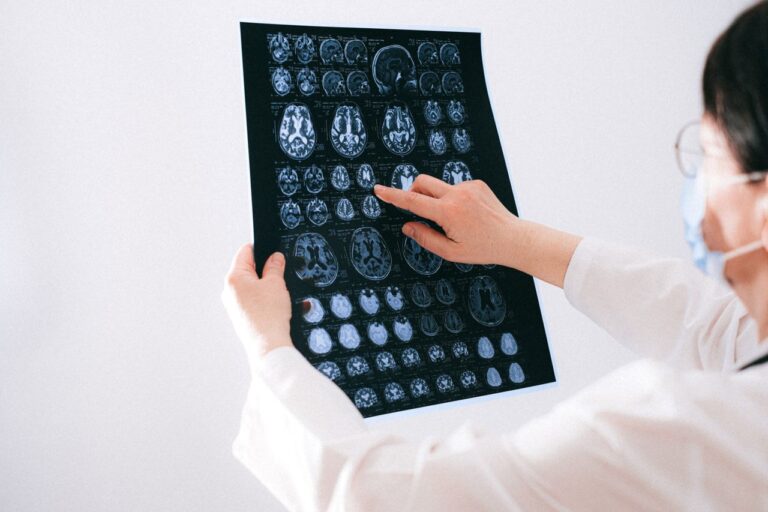
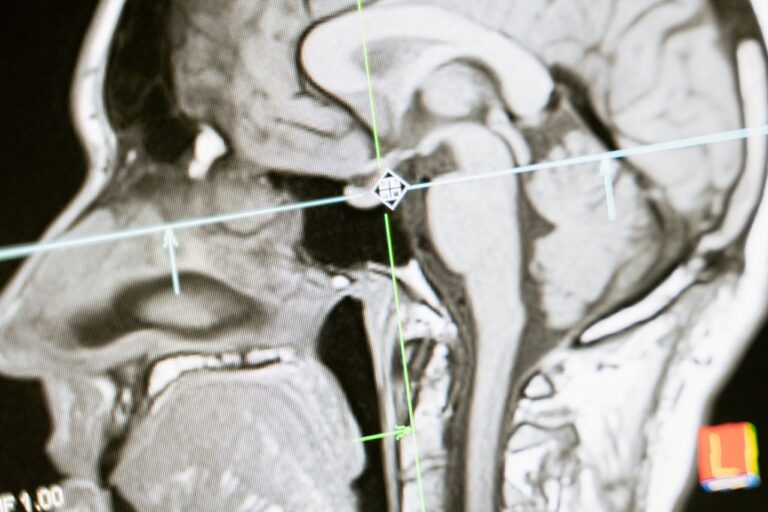
- Brain imaging such as MRI or CT scan
- EEG, if seizures are suspected
Early diagnosis is important because many neurological conditions respond better to treatment when detected at an early stage.
Treatment Options
Treatment depends on the underlying cause of brain-related symptoms. In many cases, a combination of medical care and healthy lifestyle changes provides the best results.
Treatment options may include:
- Medications for neurological conditions
- Management of blood pressure, diabetes, or cholesterol
- Cognitive rehabilitation therapy
- Physical therapy when movement is affected
- Stress management techniques
- Nutritional counseling
- Regular exercise plans
- Sleep improvement strategies
For patients with neurological concerns, Dr. Raghav Neurocare offers comprehensive evaluation and personalized treatment plans to support better brain health and improve quality of life.
When Should You Consult a Neurologist?
You should seek medical advice if you experience:
- Memory loss that interferes with daily life
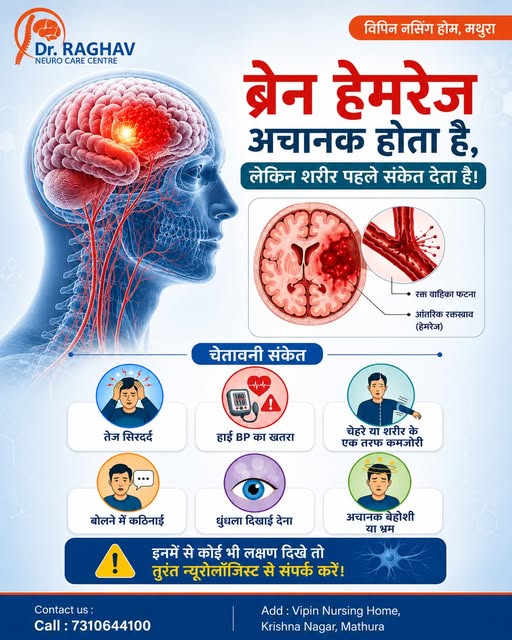
- Frequent severe headaches
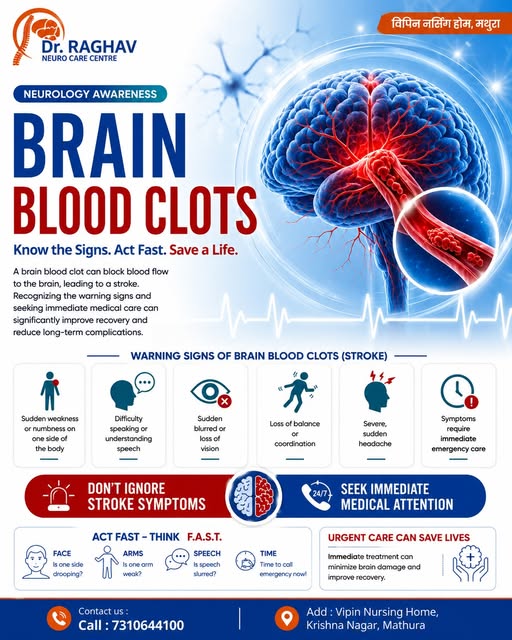
- Sudden weakness or numbness
- Difficulty speaking or understanding speech
- Seizures
- Dizziness or balance problems
- Tremors
- Vision changes
- Confusion
- Loss of consciousness
These symptoms should never be ignored, as they may indicate a serious neurological condition requiring prompt diagnosis and treatment.
Conclusion
Protecting your brain is one of the best investments you can make for your long-term health. Following these Tips for Better Brain Health can improve memory, concentration, emotional well-being, and overall quality of life. Simple daily habits like healthy eating, regular exercise, quality sleep, stress management, and mental stimulation can make a significant difference. If you notice persistent neurological symptoms, early medical evaluation can help identify problems before they become more serious.
Book an Appointment at Dr. Raghav Neurocare, Mathura
If you are experiencing memory problems, frequent headaches, dizziness, seizures, or other neurological symptoms, don’t delay seeking expert care. Dr. Raghav Neurocare in Mathura provides advanced diagnosis, compassionate care, and personalized treatment for a wide range of neurological conditions. Book your appointment today to take the first step toward better brain health.
Frequently Asked Questions (FAQs)
1. What foods are good for brain health?
Foods rich in omega-3 fatty acids, leafy green vegetables, berries, nuts, seeds, and whole grains help support healthy brain function.
2. Can exercise improve brain health?
Yes. Regular physical activity increases blood flow to the brain, improves memory, reduces stress, and supports overall cognitive function.
3. How much sleep is important for a healthy brain?
Most adults should get 7–9 hours of quality sleep each night to allow the brain to rest, repair, and store memories.
4. Does stress affect brain health?
Yes. Long-term stress can reduce concentration, affect memory, and increase the risk of anxiety and depression if not managed properly.
5. When should I visit a neurologist for memory problems?
You should consult a neurologist if memory loss becomes frequent, affects your daily activities, or is associated with confusion, personality changes, or difficulty speaking.