Common Brain and Nerve Disorders Explained
Introduction
The brain, spinal cord, and nerves control almost every function of the body, from movement and memory to speech, sensation, and coordination. When these systems are affected, symptoms can range from headaches and numbness to seizures, weakness, or changes in memory. Understanding these symptoms can help patients seek medical advice at the right time. This guide to Common Brain and Nerve Disorders Explained covers some frequently seen neurological conditions, their warning signs, possible causes, diagnosis, and treatment options in simple language.
What is Common Brain and Nerve Disorders Explained?
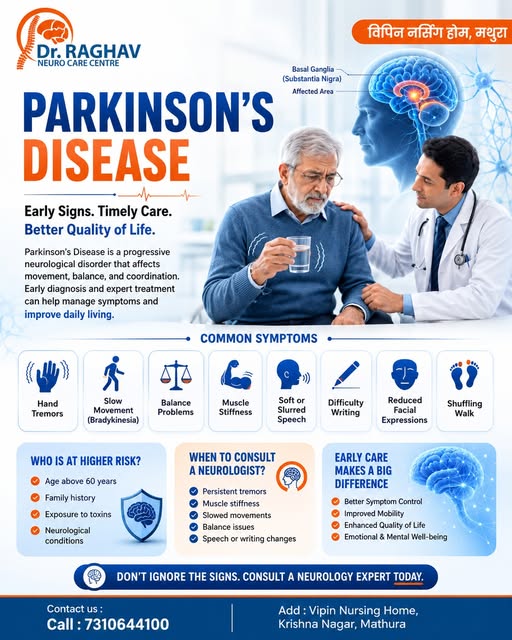
Common Brain and Nerve Disorders Explained refers to understanding neurological conditions that affect the brain, spinal cord, or peripheral nerves. Some commonly encountered disorders include migraine, epilepsy, Parkinson’s disease, stroke, neuropathy, nerve compression, dementia, and certain movement disorders.
These conditions can affect people differently. Some may be temporary or manageable with treatment, while others require long-term medical care and monitoring. Early evaluation can be important because some neurological symptoms may have several possible causes.
Symptoms
Neurological symptoms depend on the affected part of the nervous system. Common warning signs include:
- Frequent or severe headaches or migraine
- Dizziness or balance problems
- Numbness or tingling in the hands or feet
- Muscle weakness or unusual movements
- Tremors or stiffness
- Seizures or episodes of altered awareness
- Memory or concentration problems
- Difficulty speaking or understanding speech
- Changes in walking or coordination
- Loss of sensation or persistent nerve pain
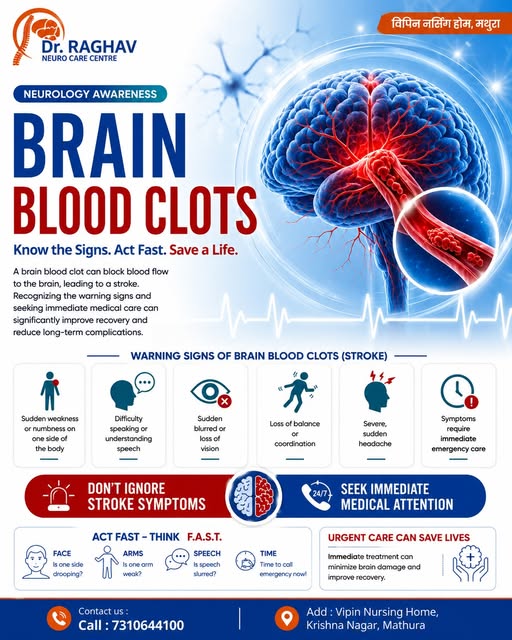
Sudden weakness, facial drooping, difficulty speaking, severe unexplained headache, or sudden loss of balance can be signs of a medical emergency and require immediate medical attention.
Causes
Brain and nerve disorders can have many causes. Some are linked to genetic or age-related changes, while others may develop because of conditions such as diabetes, high blood pressure, infections, nutritional deficiencies, injuries, or blood vessel problems.
Lifestyle factors may also influence neurological health. Smoking, excessive alcohol consumption, poor sleep, physical inactivity, and uncontrolled medical conditions can increase certain health risks. In some cases, the exact cause may not be immediately clear and requires detailed evaluation.
Diagnosis
A neurologist usually begins with a detailed medical history and neurological examination. The doctor may assess muscle strength, reflexes, sensation, coordination, balance, memory, and speech.
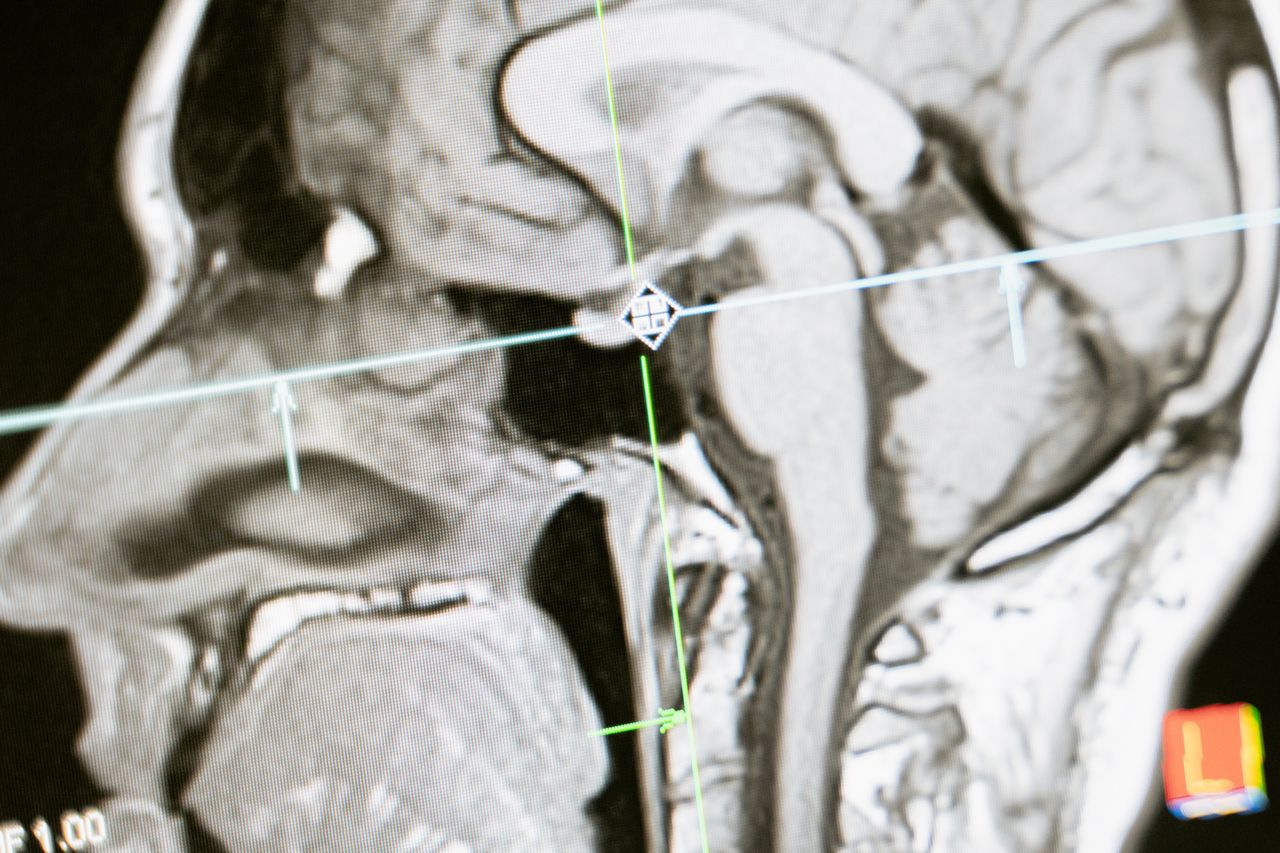
Depending on the symptoms, additional tests may be recommended. These can include blood tests, MRI or CT scans, EEG for certain seizure-related concerns, nerve conduction studies, or electromyography (EMG). The appropriate test depends on the suspected condition and the patient’s individual symptoms.
A proper diagnosis is important because several neurological disorders can cause similar symptoms.
Treatment Options
Treatment depends on the specific diagnosis, severity, underlying cause, and overall health of the patient. Options may include prescription medicines, physiotherapy, lifestyle modifications, rehabilitation, or other specialist treatments.
For example, migraine management may involve preventive strategies and medicines, while epilepsy often requires anti-seizure medication and regular follow-up. Patients with neuropathy may need treatment for the underlying cause along with medicines to control nerve pain.
Some neurological conditions require coordinated care involving neurologists, physiotherapists, rehabilitation specialists, and other healthcare professionals. At Dr. Raghav Neurocare, treatment can be tailored according to the patient’s neurological condition and individual needs.
When Should You Consult a Neurologist?
You should consider consulting a neurologist if you experience persistent headaches, recurring dizziness, unexplained numbness, weakness, tremors, seizures, memory changes, balance difficulties, or ongoing nerve pain.
Do not ignore symptoms that are getting worse or affecting your ability to work, walk, communicate, or perform daily activities. Sudden neurological symptoms should be treated as urgent and require immediate medical evaluation.
Early consultation can help identify the underlying problem and determine an appropriate treatment plan.
Conclusion
Understanding Common Brain and Nerve Disorders Explained can help patients recognize symptoms and make informed decisions about their health. Neurological problems can range from common conditions such as migraine and neuropathy to more serious disorders requiring urgent or long-term care. Because symptoms can overlap between different conditions, professional evaluation is essential rather than relying on self-diagnosis.
Call to Action
If you or a family member is experiencing persistent neurological symptoms, Book an Appointment at Dr. Raghav Neurocare, Mathura for appropriate neurological evaluation and guidance. Timely medical advice can be an important step toward better neurological health.
Frequently Asked Questions
1. What are common brain and nerve disorders?
Common conditions include migraine, epilepsy, stroke, Parkinson’s disease, neuropathy, nerve disorders, dementia, and other neurological conditions.
2. What symptoms may indicate a nerve disorder?
Numbness, tingling, burning pain, muscle weakness, reduced sensation, or difficulty controlling certain movements may indicate a nerve-related problem.
3. When should I see a neurologist for headaches?
If headaches are frequent, severe, worsening, affecting daily activities, or associated with unusual symptoms, a neurological evaluation may be appropriate.
4. Can neurological disorders be treated?
Many neurological conditions can be managed with medicines, rehabilitation, lifestyle changes, or other treatments. The approach depends on the specific diagnosis.
5. Are sudden neurological symptoms serious?
Yes. Sudden weakness, speech difficulty, facial drooping, severe headache, confusion, or loss of balance can indicate an emergency such as stroke. Immediate medical attention is important.